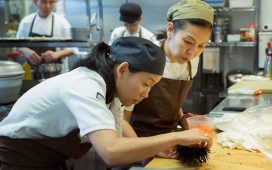


In the vibrant tapestry of gastronomy, the chef emerges as the masterful conductor—balancing artistry, science, and leadership to craft meals that captivate the senses and nourish the soul. Beyond the act of cooking, the chef is a visionary storyteller and a demanding leader who transforms humble ingredients into immersive culinary experiences that evoke emotion, celebrate culture, and foster connection. This article delves into the multifaceted world of the professional chef, exploring their essential skills, evolving roles, creative journeys, and profound impacts on food and society.
Defining the Chef: More Than a Culinary Craftsman
At its core, a chef is a professional equipped with deep knowledge of cooking techniques, ingredients, and kitchen operations. But greatness in this role transcends technical expertise—exceptional chefs blend precision with imagination, fusing tradition and innovation to create dishes that speak of heritage, place, and personality.
The chef’s domain extends beyond the stove: they orchestrate kitchen teams, curate menus that respond to tastes and trends, and embody hospitality’s spirit. Every plate is both a product of disciplined craft and a narrative woven in flavor, texture, and presentation.
Essential Skills and Attributes of Outstanding Chefs
Success in the culinary world demands a diverse and ever-evolving skill set that combines artistry with professionalism:
-
Culinary Mastery: Expertise in a variety of cooking methods, ingredient chemistry, and flavor harmonization forms the backbone of a chef’s craft.
-
Creativity and Innovation: Inspired chefs reimagine classic dishes and pioneer bold culinary inventions that surprise and satisfy.
-
Leadership and Communication: Effective management of kitchen staff, clarity in instruction, and motivational empathy cultivate a high-performing and cohesive team.
-
Meticulous Attention to Detail: From seasoning balance to plating finesse and hygiene standards, precision ensures consistent excellence.
-
Resilience and Endurance: The demanding pace, physical toll, and high-pressure nature of professional kitchens necessitate stamina and emotional fortitude.
-
Business Acumen: Proficiency in budgeting, procurement, inventory, and customer engagement sustains profitability and operational efficiency.
-
Cultural Awareness and Adaptability: Understanding diverse cuisines and dietary needs expands culinary horizons and inclusivity.
The Culinary Odyssey: From Novice to Maestro
Typically beginning as kitchen apprentices or line cooks under seasoned mentors, chefs gain foundational skills through guidance and hands-on experience. Formal culinary education sharpens their understanding of food science, flavor profiles, and managerial practices.
As they progress, chefs often specialize in pastry, molecular gastronomy, butchery, or world cuisines, refining their unique style. Advancement through roles—sous chef, head chef, executive chef—brings increasing responsibility, from hands-on cooking to strategic leadership and innovation.
A hallmark of exemplary chefs is lifelong learning: embracing new techniques, sustainability practices, and evolving consumer preferences to remain at the culinary forefront.
The Modern Chef: Multifaceted Roles Beyond the Kitchen
Today’s chef wears many hats:
-
Menu Curator: Crafting seasonal, balanced menus that reflect culinary trends, costing considerations, and guest expectations.
-
Quality Controller: Ensuring ingredient freshness, adherence to hygiene protocols, and consistency in flavor and presentation.
-
Team Leader: Overseeing recruitment, training, scheduling, and fostering a culture of excellence and collaboration.
-
Guest Liaison: Engaging diners, sharing inspirations, and personalizing experiences enrich customer loyalty.
-
Sustainability Advocate: Emphasizing local sourcing, waste reduction, and eco-conscious practices reflect modern ethical commitments.
Chefs as Cultural Ambassadors and Innovators
Chefs wield significant influence in celebrating and evolving culinary heritage. They revive traditional recipes, elevate regional specialties, and weave international influences into innovative creations. Through this, chefs connect diners with history, geography, and identity, enriching cultural appreciation.
Beyond cuisine, many chefs champion social causes—nutrition education, food waste reduction, sustainable sourcing—reinforcing their role as community stewards and change agents.
The Art of Culinary Presentation: Crafting Visual Narratives
Presentation is a vital element of the chef’s art. Through the expert use of color contrast, texture interplay, plating design, and garnishing, chefs transform dishes into visual stories. Artfully placed edible flowers, bold sauces, and sculptural elements enhance anticipation and elevate dining into a multisensory journey.
Overcoming Challenges: The Chef’s Resilience and Strategy
The kitchen environment presents unique pressures and obstacles:
-
Managing Stress and Workload: Effective time management, communication, and team support help sustain productivity and mental well-being.
-
Physical Demands: Proper ergonomics, fitness, and healthy habits are essential for longevity.
-
Consistency Under Pressure: Systems like standardized recipes, rigorous training, and quality checks maintain excellence.
-
Keeping Pace with Trends: Agility in adapting to dietary needs, new ingredients, and consumer preferences is crucial.
-
Sourcing and Budgeting: Maintaining quality within cost constraints requires negotiation skills and strategic planning.
Successful chefs navigate these challenges through discipline, continual refinement of skills, and fostering positive workplace culture.
Advice for Aspiring Chefs
-
Pursue thorough training combining classroom education with diverse practical exposure.
-
Cultivate curiosity, patience, and resilience as foundations for growth.
-
Develop leadership and communication skills alongside culinary technique.
-
Immerse in various global cuisines and dietary science to expand versatility.
-
Prioritize mental and physical well-being in demanding environments.
-
Seek mentorship and build networks within the culinary community for support and inspiration.
Conclusion: The Chef as a Visionary Creator and Cultural Pillar
Chefs embody the harmonious blend of craft, creativity, leadership, and cultural celebration. Through their skillful hands and inspired minds, they transform food into shared experiences that nourish not only bodies but also relationships and communities.
Their multifaceted role elevates dining from routine sustenance to expressive artistry and human connection. For those drawn to this vocation, the culinary path offers endless opportunities for mastery, innovation, and meaningful impact—each dish a statement, each kitchen a stage for excellence.
Embracing this vocation with passion and precision, chefs continue to shape the foodscape and enrich lives, one brilliant creation at a time.