

Dining at home doesn’t have to mean predictable meals or rushed plates. Personal chefs approach home dining with the same intention, precision, and creativity found in top restaurants—just adapted for real kitchens and real lives. By borrowing their techniques and mindset, you can transform everyday meals into memorable dining experiences without unnecessary complexity.
The Chef’s Mindset: Cooking With Purpose
Professional chefs don’t start with recipes—they start with intent. Every meal has a goal: comfort, celebration, nourishment, or indulgence.
Key principles chefs follow:
-
Cook fewer dishes, but execute them well
-
Balance flavors intentionally (salt, acid, fat, heat)
-
Respect ingredients instead of overpowering them
When you cook with a clear purpose, your meals feel thoughtful rather than routine.
Ingredient Selection: Quality Over Quantity
Chefs know that exceptional meals are built before cooking even begins.
How chefs choose ingredients
-
Seasonality first: Seasonal produce delivers better flavor and texture
-
Local sourcing when possible: Fresher ingredients require less manipulation
-
Minimal but premium pantry staples: Olive oil, salt, vinegar, butter, and spices matter more than exotic extras
A short ingredient list with high-quality components often beats complicated recipes.
Mastering Prep: The Hidden Secret of Effortless Cooking
Preparation is where chefs quietly win.
Smart prep habits to adopt
-
Read the entire recipe before starting
-
Prep all ingredients in advance (mise en place)
-
Use sharp knives for speed and safety
-
Clean as you go to reduce stress
When prep is organized, cooking becomes calm, controlled, and enjoyable.
Flavor Building Like a Professional
Chefs layer flavor gradually instead of dumping everything in at once.
Techniques chefs rely on
-
Season in stages, not just at the end
-
Use acid deliberately (lemon juice, vinegar) to brighten dishes
-
Toast spices to unlock deeper aromas
-
Finish with fresh herbs or infused oils
Small adjustments at the right moment can dramatically elevate taste.
Temperature Control: The Difference Between Good and Great
Many home cooks rush heat. Chefs don’t.
Temperature rules chefs swear by
-
Let proteins come to room temperature before cooking
-
Preheat pans properly for even browning
-
Avoid overcrowding, which lowers heat and causes steaming
-
Allow meats to rest after cooking for juicier results
Respecting heat creates better texture and richer flavor.
Plating: Making Food Look as Good as It Tastes
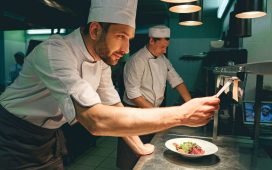
Presentation isn’t about being fancy—it’s about clarity and balance.
Simple chef-style plating tips
-
Use white or neutral plates
-
Leave negative space instead of overfilling
-
Stack or layer food for height
-
Wipe plate edges for a clean finish
People taste with their eyes first, even at home.
Creating the Full Dining Experience
Personal chefs think beyond the plate.
Atmosphere matters
-
Dim lighting or candles for warmth
-
Music at a low, intentional volume
-
Courses served thoughtfully instead of all at once
These details slow the pace and make meals feel special, even on weeknights.
Chef-Level Habits You Can Adopt Immediately
-
Cook the same dish multiple times to master it
-
Keep a notebook of what worked and what didn’t
-
Taste constantly and adjust confidently
-
Treat cooking as a craft, not a chore
Consistency, not complexity, is what makes chefs exceptional.
FAQs
What is the biggest mistake home cooks make compared to chefs?
Rushing the process, especially prep and temperature control, often leads to uneven results.
Do I need expensive equipment to cook like a personal chef?
No. A sharp knife, a good pan, and attention to technique matter far more than gadgets.
How do chefs make simple food taste so good?
They focus on seasoning properly, layering flavors, and using fresh ingredients.
Can these techniques work for busy schedules?
Yes. Many chef habits—like prep and planning—actually save time during the week.
How important is presentation for everyday meals?
Presentation enhances enjoyment and perception, even for casual dinners.
Should I follow recipes exactly like a chef?
Chefs use recipes as guides. Learning to adjust based on taste is more important.
How can I improve my cooking confidence?
Repeat dishes, taste often, and trust gradual improvement rather than perfection.