
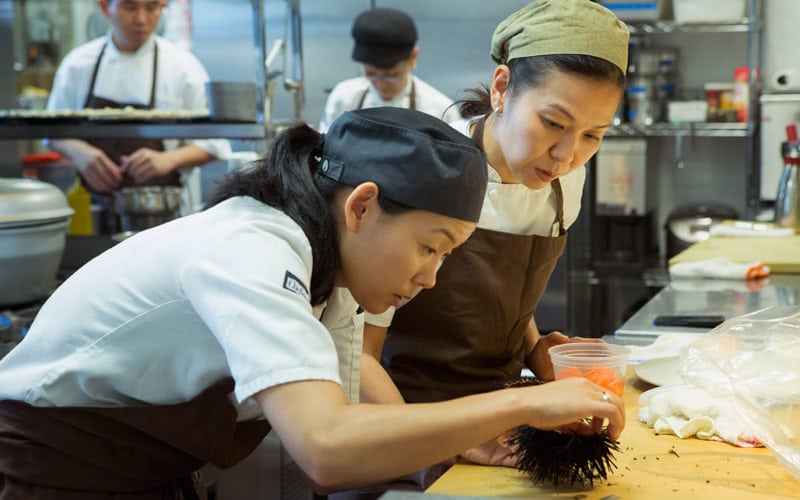

The title of “chef” carries immense weight, encapsulating far more than culinary skills. A chef is a masterful artist and an inspired leader who transforms raw ingredients into vibrant experiences that engage the senses and evoke emotion. Beyond the kitchen’s heat and hustle, chefs shape culture, guide teams, innovate relentlessly, and create moments that nourish both body and spirit. This article offers a refined and original exploration of the chef’s multifaceted role—celebrating their craft, creativity, leadership, and enduring impact on gastronomy and society.
Defining the Modern Chef: More Than a Cook
At its essence, a chef is a professional culinary expert who blends knowledge of ingredients, techniques, and kitchen management into delivering exceptional food experiences. But the modern chef transcends merely following recipes; they are visionary storytellers using flavor, texture, and presentation to communicate culture, evoke memories, and inspire discovery. They harmonize tradition and innovation, balancing rigorous discipline with boundless imagination.
The chef leads the kitchen brigade, melding operational efficiency with artistic excellence while engaging diners and adapting to rapidly shifting culinary and social trends.
Core Skills and Qualities of an Exceptional Chef
Becoming an accomplished chef demands a diverse and evolving skill set that extends far beyond the stove:
-
Technical Proficiency: Mastery of various cooking techniques, ingredient science, flavor layering, and visual aesthetics is fundamental to creating memorable dishes.
-
Creativity and Innovation: Exceptional chefs continually reinvent classics and pioneer new flavor combinations, pushing culinary boundaries and delighting diverse palates.
-
Leadership and Communication: A chef’s ability to inspire, instruct, and unite their team cultivates a positive, efficient kitchen culture essential to high-quality gastronomy.
-
Attention to Detail: From precise seasoning to elegant plating and impeccable hygiene, meticulousness ensures consistency and excellence.
-
Resilience and Stamina: Kitchens are intense, fast-paced environments requiring physical endurance and emotional composure under pressure.
-
Business Acumen: Knowledge of budgeting, inventory management, supplier relations, and customer interaction supports sustainable and profitable operations.
-
Cultural Sensitivity and Adaptability: Embracing global cuisines, dietary preferences, and evolving consumer needs enhances inclusiveness and culinary relevance.
The Journey to Culinary Mastery: From Apprentice to Visionary
The path of a chef often begins humbly, learning foundational skills as apprentices or sous chefs under seasoned mentors. Formal culinary education imparts scientific understanding and technique, while hands-on experience refines intuition, timing, and kitchen dynamics.
With dedication, chefs specialize—whether in pastry, regional cuisines, or molecular gastronomy—developing distinct styles and insights. Rising to sous chef, head chef, and executive chef roles demands expanding responsibility from craft to concept, management, and innovation.
The hallmark of great chefs is lifelong learning: adapting to new techniques, dietary trends, sustainability imperatives, and emerging technologies to stay at the forefront of the culinary arts.
The Expanding Role of Today’s Chef
Modern chefs embody diverse responsibilities that unite art with management:
-
Menu Development: Curating innovative, balanced, and seasonally inspired menus tailored to guest expectations and operational feasibility.
-
Quality Control: Safeguarding ingredient freshness, cooking precision, plating standards, and hygiene adherence to uphold cuisine integrity.
-
Team Leadership: Recruiting, training, scheduling, and motivating an often-large team to maintain smooth, high-performing kitchen operations.
-
Guest Interaction: Engaging diners to share culinary stories, garner feedback, and enhance the overall dining experience.
-
Sustainability Stewardship: Advocating for ethical sourcing, reducing food waste, and integrating eco-friendly practices into kitchen culture.
Culinary Storytelling through Presentation
The visual framing of food is a powerful element of a chef’s craft. By artfully employing color contrasts, textural interplay, and thoughtful plating, chefs transform meals into immersive sensory poems. Small details such as edible flowers, carefully placed sauces, or sculptural garnishes elevate a dish to memorable art, deepening connection and anticipation.
Challenges in the Culinary Profession and How Chefs Triumph
A chef’s career is fraught with distinct pressures:
-
Intense Work Environment: Managing stress and fatigue requires strong mental resilience, clear communication, and supportive mentorship.
-
Physical Demands: Long hours on feet and repetitive motions necessitate physical fitness and safety awareness.
-
Maintaining Consistency: Standardizing recipes, rigorous training, and diligent quality checks secure reliable excellence.
-
Adapting to Evolving Trends: Remaining agile amid changing dietary habits, consumer tastes, and sustainability demands is crucial.
-
Ingredient Sourcing and Cost Control: Balancing quality with budget constraints requires negotiation skills and strategic foresight.
Successful chefs combine discipline, agility, continuous education, and a positive kitchen atmosphere to flourish in this challenging landscape.
Guidance for Aspiring Chefs
-
Pursue rigorous culinary education complemented by diverse real-world kitchen experiences.
-
Cultivate curiosity, discipline, patience, and receptivity to feedback as key traits supporting growth.
-
Develop leadership and communication skills alongside technical cooking mastery.
-
Immerse yourself in global food cultures and dietary sciences to broaden skill and inspiration.
-
Prioritize mental and physical health to sustain a demanding yet rewarding career.
-
Seek mentorship and build professional networks that foster learning and opportunity.
The Chef’s Cultural and Social Influence
Beyond crafting meals, chefs serve as cultural ambassadors—preserving indigenous and regional culinary traditions while innovating global fusion. Their creativity educates palates and builds bridges across communities. Many also lead social initiatives promoting food education, reducing waste, and supporting sustainable agriculture, reflecting ethical commitments that broaden their influence beyond cuisine.
Conclusion: The Chef as an Artisan, Leader, and Cultural Icon
Chefs epitomize the synthesis of mastery, creativity, leadership, and cultural stewardship. Their work transforms eating from necessity into evocative experience and community celebration.
By embracing the multifaceted demands of their role with passion and precision, chefs elevate food into art and kitchens into creative sanctuaries. For those drawn to this vocation, it promises a lifetime journey of innovation, learning, and profound societal impact—each dish an ambassador of taste, creativity, and human connection.