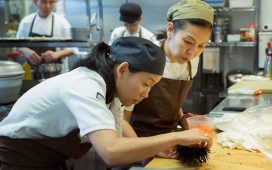


In the world of gastronomy, a chef stands as both an artist and a leader—transforming raw ingredients into sensory masterpieces while orchestrating the vibrant, often intense, heartbeat of the kitchen. The role of a chef transcends the fundamentals of cooking; it embodies creativity, discipline, cultural expression, and strategic management. This article unfolds a unique and insightful narrative about the chef’s multifaceted profession, exploring the skills, evolution, and enduring impact that define those who wear the chef’s hat with pride.
The Chef Defined: Beyond Cooking
At its essence, a chef is a culinary professional who combines mastery of technique, an eye for aesthetics, and a visionary approach to menu creation. Yet, exceptional chefs elevate their role into storytelling through food—each dish communicating culture, emotion, and innovation. They are guardians of tradition and pioneers of modern cuisine, balancing the timeless with the avant-garde.
A chef’s influence permeates every meal experience—from sourcing and selecting ingredients to directing kitchen teamwork and engaging with guests. Their work is a harmonious blend of science and art, where precision meets imagination.
Essential Skills and Traits of Distinguished Chefs
Success in the culinary arts demands more than just culinary ability; it requires a blend of diverse skills and personal qualities:
-
Culinary Mastery: A profound understanding of cooking methods, ingredient interactions, flavor balancing, and food science enables chefs to craft refined dishes consistently.
-
Creative Innovation: The spark of inventiveness drives chefs to reinterpret classics and pioneer new trends that captivate diners’ palates.
-
Leadership and Communication: Effective chefs lead diverse teams with empathy and clarity, cultivating an environment that fosters collaboration, efficiency, and high standards.
-
Meticulous Attention to Detail: Consistency in taste, presentation, and hygiene is achieved through unwavering focus on every element of the dish and kitchen operations.
-
Physical and Mental Resilience: The demanding pace of professional kitchens requires stamina, composure under pressure, and relentless dedication.
-
Business Insight: Proficiency in budgeting, supply management, cost control, and customer relations underpins sustainable success.
-
Cultural Sensitivity: Understanding and embracing diverse culinary traditions and dietary needs enriches a chef’s repertoire and appeal.
Charting the Chef’s Career Path: From Apprentice to Visionary
The culinary journey typically begins with rigorous education or apprenticeship, where aspiring chefs hone foundational skills under seasoned mentors. Early roles in kitchens allow immersion into the demanding environment, learning discipline, technique, and teamwork.
As experience deepens, chefs often specialize—whether in pastry arts, charcuterie, or regional cuisines—developing expertise that drives their unique culinary styles. Advancement leads to leadership positions such as sous chef, head chef, and executive chef, each requiring expanding managerial and creative vision.
Lifelong learning is paramount, as chefs continually refine techniques, explore new ingredients, and adapt to evolving food trends and sustainability practices.
The Versatile Role of the Modern Chef
Today’s chefs wear many hats, blending artistry with operational and strategic leadership:
-
Menu Development: Designing innovative, balanced menus that reflect seasonal availability, cost considerations, and customer preferences.
-
Quality Control: Ensuring every ingredient is fresh, preparation standards are upheld, and presentation is impeccable.
-
Team Leadership: Recruiting, training, and motivating kitchen staff to achieve cohesion and excellence.
-
Customer Engagement: Interacting with guests and conveying the story behind dishes enhances the dining experience and fosters loyalty.
-
Sustainability Leadership: Advocating local sourcing, waste reduction, and ethical food practices aligns kitchens with contemporary environmental values.
Chefs as Cultural Ambassadors and Social Catalysts
Chefs wield cultural influence by preserving heritage recipes, celebrating culinary diversity, and inspiring innovation rooted in place and tradition. They connect diners with histories and geographies, making food a meaningful conduit between cultures.
Beyond cuisine, many chefs champion social causes—engaging in community nutrition programs, reducing food waste, and supporting ethical farming—highlighting their role as responsible leaders within and beyond the kitchen.
The Art of Plating: Culinary Storytelling Through Presentation
A modern chef transforms dining into a multisensory journey where visual elegance is as critical as flavor. Through mindful use of color, texture, contrast, and arrangement, chefs create plates that captivate the eye and stimulate anticipation.
Elements such as edible flowers, precise garnishes, and sculptural compositions craft a narrative on the plate, making each bite part of a memorable experience.
Overcoming Challenges: The Chef’s Resilience and Strategy
Professional kitchens bring distinctive pressures:
-
High-Stress Environment: Success lies in composure, clear communication, and stress management.
-
Physical Demands: Long hours and standing require physical stamina and attention to ergonomics.
-
Consistency: Maintaining unwavering quality demands disciplined procedures and ongoing staff training.
-
Adapting to Trends: Navigating evolving dietary preferences and sustainable sourcing challenges calls for agility and innovation.
-
Supply Chain Management: Sourcing premium ingredients amid fluctuating availability requires foresight and negotiation skills.
Chef resilience is nurtured through dedication, continuous skill-building, supportive mentorships, and fostering collaborative kitchen cultures.
Guidance for Aspiring Chefs
-
Pursue formal education combined with diverse, real-world kitchen internships.
-
Cultivate resilience, patience, and openness to feedback as growth drivers.
-
Hone technical expertise and nurture creativity through continuous experimentation.
-
Develop leadership skills in tandem with culinary mastery.
-
Expand knowledge of global cuisines and dietary sciences.
-
Prioritize wellness and work-life balance to sustain longevity in the profession.
Conclusion: The Chef as a Culinary Visionary and Cultural Innovator
Chefs stand at the intersection of craft, innovation, and culture—transmuting raw ingredients into transformative dining experiences. Their work stitches together flavors, stories, and communities, enriching the human experience through the universal language of food.
By embracing the full spectrum of their roles with passion, skill, and vision, chefs inspire joy and connection around the table—making every meal a celebration and every kitchen a sanctuary of creativity and excellence. For those called to this art, the chef’s path offers a profoundly rewarding journey of mastery, leadership, and cultural contribution.