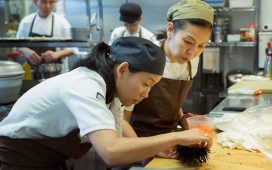


The role of a chef is a captivating blend of artistry, science, leadership, and cultural storytelling. Far beyond merely preparing food, chefs are creators who transform basic ingredients into extraordinary experiences that nourish, delight, and connect. This article delves into the multifaceted world of the chef, exploring the journey, essential skills, changing responsibilities, and the enduring impact chefs have on cuisine, culture, and community.
Defining the Chef: More Than a Culinary Practitioner
A chef is a culinary professional who embodies mastery in cooking techniques, flavor balancing, kitchen management, and creative vision. However, exceptional chefs transcend technical skill by using cuisine as a medium for expression. Every dish becomes a narrative, reflecting heritage, innovation, and personal style.
Their role harmonizes tradition with modernity, science with creativity, and leadership with collaboration—shaping not only meals but also the entire dining experience.
Key Skills and Traits That Distinguish Great Chefs
-
Culinary Expertise: A deep understanding of various cooking methods, ingredient behavior, and flavor pairings enables the creation of consistently superb dishes.
-
Creative Innovation: Reimagining classic recipes and inventing new culinary concepts demonstrate a chef’s artistic vision and adaptability.
-
Leadership and Teamwork: Efficiently managing kitchen dynamics while inspiring and guiding a diverse team fosters excellence and smooth operation under pressure.
-
Meticulous Attention to Detail: Precision in timing, seasoning, presentation, and hygiene ensures every plate meets high standards.
-
Resilience and Endurance: The physical and mental demands of kitchen life require stamina, composure, and unwavering focus.
-
Business Acumen: Skills in budgeting, inventory management, supplier relations, and customer engagement support a sustainable kitchen.
-
Cultural Inclusivity: Embracing diverse cuisines and dietary restrictions broadens appeal and enriches menus.
The Culinary Journey: From Apprentice to Maestro
Most chefs begin by apprenticing under experienced mentors, developing foundational techniques through hands-on practice. Formal culinary education often complements this real-world training, providing scientific knowledge and broad culinary exposure.
With experience, chefs specialize—be it in pastry arts, regional cuisines, or culinary innovation—and progress through ranks from line cook to sous-chef, head chef, and executive chef. Each role demands increasing leadership, creativity, and strategic planning.
Continuous learning is essential. Great chefs stay attuned to food trends, sustainability, and new technologies to keep their craft fresh and relevant.
The Expanding Role of Modern Chefs
Beyond cooking, today’s chefs juggle diverse responsibilities:
-
Menu Creation: Designing innovative, seasonal, and well-balanced menus that resonate with guests and reflect cost considerations.
-
Quality Stewardship: Upholding standards for ingredient freshness, preparation, plating, and hygiene.
-
Team Management: Recruiting, training, scheduling, and motivating staff to maintain kitchen cohesion and efficiency.
-
Guest Engagement: Interacting with diners to share culinary inspiration and enhance the dining experience.
-
Sustainability Leadership: Advocating for local sourcing, waste reduction, and ethical food practices align kitchens with contemporary values.
Chefs as Cultural Ambassadors and Innovators
Chefs play vital roles in preserving culinary heritages and introducing global flavors. They bridge cultures by adapting traditional recipes and pioneering new culinary fusions that reflect evolving palates. Many chefs take active roles in social causes—promoting food education, fighting waste, and supporting sustainable agriculture—highlighting their influence beyond the kitchen.
The Art of Culinary Presentation: Flavor Meets Visual Poetry
Presentation is integral to the culinary experience. Chefs carefully combine colors, textures, and plating to create visual intrigue alongside taste satisfaction. Use of edible flowers, precise garnishes, and artistic plating techniques transform meals into multisensory narratives that captivate and entice.
Challenges in the Culinary World: Mastering Pressure and Complexity
The kitchen environment is demanding:
-
High-Stress Atmosphere: Managing orders and timing with composure requires calm leadership and efficient workflow.
-
Physical Rigors: Long hours on feet and repetitive tasks demand physical fitness and safety awareness.
-
Consistency: Maintaining top-quality output through routine and training is an ongoing challenge.
-
Adapting to Market Shifts: Keeping pace with dietary trends, sustainability demands, and consumer preferences requires flexibility.
-
Sourcing Quality Ingredients: Balancing cost, availability, and quality tests negotiation and resourcefulness.
Successful chefs rely on resilience, teamwork, continuous learning, and supportive cultures to thrive amidst these challenges.
Advice for Aspiring Chefs
-
Pursue comprehensive culinary education coupled with diverse practical experiences.
-
Cultivate creativity, patience, and a growth mindset.
-
Hone leadership and communication alongside technical culinary skills.
-
Explore global cuisines and dietary science to broaden expertise.
-
Prioritize mental and physical well-being to sustain a demanding career.
-
Seek mentorship and build professional networks for guidance and growth.
Conclusion: The Chef as a Maestro of Taste and Culture
Chefs unite craftsmanship, creativity, and leadership to craft not just meals, but cherished experiences and cultural connections. They reinterpret tradition while innovating boldly, nurturing community and joy through food.
By embracing their multifaceted roles with passion and precision, chefs elevate dining into a celebration of life—making the kitchen a realm of artistry, resilience, and inspiration. For those drawn to this vocation, the chef’s path is an enriching journey of lifelong learning, leadership, and profound cultural impact.