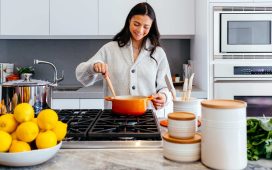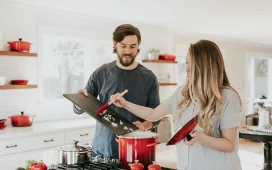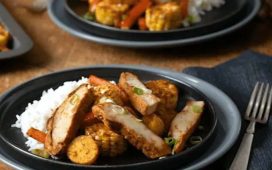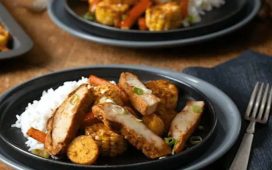


Cooking is more than a routine—it is a refined art that combines precision, creativity, and passion. Whether you are a seasoned home chef or just beginning your culinary journey, mastering essential cooking techniques and adopting thoughtful kitchen habits can transform your meals from ordinary to extraordinary. This article offers a unique, sophisticated collection of cooking tips designed to enhance your skills, delight your palate, and inspire confidence in the kitchen.
The Foundation of Great Cooking: Preparation and Organization
Embrace Mise en Place: The Secret of Seamless Cooking
The French phrase mise en place means “everything in its place” and is a foundational discipline among professional chefs. Before turning on the stove, take time to prepare and organize ingredients, utensils, and equipment. This practice fosters efficiency, prevents oversights, and allows you to focus on technique and timing with calm assurance.
Selecting Quality Ingredients: The Backbone of Flavor
Your dishes begin with the ingredients you choose. Prioritize fresh, seasonal, and high-quality produce, meats, spices, and pantry staples. Superior ingredients bring natural depth and complexity, reducing the need for excessive seasoning or heavy sauces.
Respect Ingredient Temperatures
Allowing certain ingredients—such as meats, butter, or eggs—to reach room temperature before cooking promotes even heat penetration and optimal texture. This simple step is key for achieving consistent and delicate results in everything from sautéed dishes to baked desserts.
Precision in Technique: The Cornerstones of Culinary Success
Sharpen Your Knife Skills
-
The Power of a Sharp Knife: Not only safer but also more precise, a sharp blade allows you to cut with confidence and uniformity.
-
Master Basic Cuts: Learning dice, julienne, chiffonade, and brunoise enhances cooking consistency and elevates presentation.
-
Safe Handling: Always curl fingers inward and maintain a stable cutting board to prevent accidents.
Command Heat Control
-
Preheat Properly: Ensure pans and ovens reach correct temperatures to prevent sticking and promote caramelization.
-
High Heat for Searing: Use intense heat to brown and develop flavor through the Maillard reaction.
-
Low and Slow: Gentle simmering or roasting extracts deep, layered flavors and tenderizes tough cuts effectively.
Season Throughout Every Stage
Seasoning isn’t just a finishing touch—it is a layered process. Gradually add salt, acid, herbs, and spices at different cooking phases, tasting frequently, to develop complexity and balanced flavor profiles.
Timing and Flow: The Rhythm of the Kitchen
-
Plan Ahead: Study recipes thoroughly and envision the workflow, identifying key steps and timing challenges.
-
Use Timers Wisely: Combine timers with attentive observation to control cooking stages precisely.
-
Clean as You Go: Maintain an orderly workspace to reduce stress and increase efficiency.
-
Delegate and Coordinate: When cooking for others, share tasks and organize prep to streamline execution.
Elevating Presentation: The Art of Plating
Principles of Elegant Food Presentation
-
Color Harmony: Incorporate vibrant, contrasting colors from fresh vegetables, garnishes, and sauces to catch the eye.
-
Variety of Texture: Balance crisp, creamy, and tender elements for a satisfying mouthfeel.
-
Balance and Space: Arrange portions thoughtfully with negative space to keep the plate visually inviting and uncluttered.
Garnish with Purpose
Garnishes should enhance both taste and visual appeal. Fresh herbs, edible flowers, finely grated zest, or a delicate drizzle of infused oil can turn a simple dish into a refined masterpiece.
Common Pitfalls and How to Avoid Them
-
Avoid Overcrowding Pans: Crowding traps moisture and prevents browning; cook in batches when necessary to keep heat consistent.
-
Don’t Rush Resting Times: Allow meats and baked goods to rest after cooking; this redistributes juices and improves texture.
-
Season Gradually: Add salt and acid incrementally, tasting as you go to prevent overpowering or blandness.
-
Patience with Complex Preparations: Slow cooking and fermentation require time; respect these phases to unlock full flavor potential.
Expanding Your Culinary Horizons
-
Explore Global Flavors: Incorporate spices, herbs, and methods from international cuisines to invigorate your repertoire.
-
Cook Seasonally: Embrace local, seasonal produce to heighten freshness and sustainability.
-
Personalize Recipes: Adapt seasoning levels, ingredient substitutions, or techniques to suit your palate and dietary needs confidently.
-
Keep a Culinary Journal: Record experiences, modifications, and mood improvements to track your evolving culinary story.
Care for Your Tools: Investing in Precision and Safety
-
Regularly Sharpen Knives: Sharp knives enhance control and reduce accidents.
-
Use the Right Cookware: Match pots and pans to specific tasks for better heat distribution and results.
-
Routine Cleaning and Maintenance: Proper tool hygiene preserves performance and longevity.
-
Quality Over Quantity: Invest thoughtfully in durable, ergonomic equipment that supports your cooking style.
The Mindset of a Confident Cook
-
Patience: Mastery deepens with time and repetition—allow room for mistakes and growth.
-
Curiosity: Experiment freely and embrace new flavors, techniques, and cuisines.
-
Mindfulness: Engage fully in the process, using your senses and intuition to guide adjustments.
-
Passion: Let love for cooking and sharing food infuse every dish with warmth and intention.
Conclusion: Cooking as an Artful Journey
Cooking is a dynamic interplay of science, creativity, and culture. By cultivating foundational skills, embracing experimentation, and honoring mindful preparation, cooks at all levels unlock the power to craft meals that nourish body and spirit alike.
Each recipe is an opportunity—not just to feed but to connect, create, and celebrate life’s flavors. With refined techniques and thoughtful approaches, the kitchen becomes a canvas for joy, mastery, and enduring culinary expression.
Elevate your cooking with confidence and passion—transform every meal into a cherished moment shared around the table.