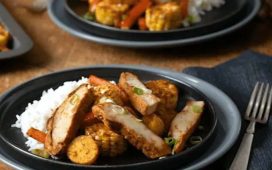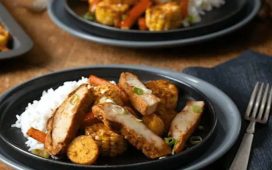


Cooking is a universal act of creativity and care — a balance between the technical and the imaginative, the precise and the spontaneous. Whether you’re a passionate home cook or an aspiring culinary professional, sharpening your approach in the kitchen can transform everyday meals into memorable experiences. This article presents a refined collection of unique and thoughtful cooking tips, designed to elevate not only the taste and presentation of your dishes but also the way you experience the art of cooking itself.
Preparation: The Foundation of Excellence
Long before heat meets ingredients, great cooking begins with thoughtful preparation.
Embrace “Mise en Place” as a Ritual
The French concept of mise en place — “everything in its place” — is not merely a professional kitchen practice but a transformative habit for any cook. Pre-measure your ingredients, prepare your garnishes, and arrange your tools before turning on the stove. This minimizes stress, ensures fluid movement, and lets you focus on the craft rather than scrambling at the last moment.
Select Ingredients as an Artist Chooses a Palette
The quality of your dish is rooted in the quality of its components. Seek out fresh, seasonal produce, responsibly sourced proteins, and aromatic spices. Understanding their origins and variations will not only broaden flavor but will deepen your connection to what you cook.
Room Temperature Matters
Allow meats, dairy, and even eggs to come to near room temperature before cooking or baking. This simple step ensures even cooking and more consistent textures, particularly in delicate preparations like cakes or custards.
Core Skills: Building Your Culinary Confidence
Refine Your Knife Skills
A well-honed knife, coupled with proper technique, is a kitchen essential. Sharp knives not only make prep work faster but also reduce accidents caused by unnecessary force. Learning classic cuts — dice, chiffonade, julienne — improves both presentation and cooking consistency, as uniformly sized ingredients cook more evenly.
Understand Heat — And Control It
Temperature control is a chef’s hidden language.
-
Preheating pans prevents sticking and promotes even searing.
-
Searing at high heat caramelizes surfaces, locking in flavor.
-
Gentle simmering coaxes deep flavors in soups, stews, and sauces without clouding or over-reducing.
Master this language, and you gain the freedom to shape textures and flavors deliberately.
Taste as You Go
Seasoning is not just a final step. A well-balanced dish often requires layer upon layer of subtle seasoning and tasting along the way. Be mindful of salt, acidity, sweetness, and umami — adjusting gradually and intentionally.
Timing and Flow: Orchestrating the Kitchen
Cooking is a symphony of moving parts. A well-executed meal depends on harmonizing these elements.
-
Read recipes in full before beginning to anticipate key moments.
-
Start with the longest task — roasts, marinades, or dough — and fill waiting time with smaller preparations.
-
Use timers without relying solely on them; don’t underestimate observation. Your senses often alert you before the clock does.
Flavor Mastery: Going Beyond the Obvious
Layer Flavors Early
Building flavor is an incremental process. Toast spices before grinding, sauté aromatics like onions, garlic, or ginger to release depth, and deglaze pans with wine, broth, or vinegar to capture browned goodness.
Balance Is Key
The five tastes — salty, sweet, sour, bitter, and umami — should exist in a dance rather than domination. For example:
-
Add a dash of lemon to brighten a rich cream sauce.
-
A sprinkle of sugar can temper excessive acidity in tomato-based dishes.
-
Bitter greens can cut through fatty meats, offering balance.
Presentation: Dining with the Eyes First
Plating with Purpose
Think of the plate as a frame for your culinary art.
-
Use color contrasts to make a dish vibrant.
-
Play with height and layers for visual interest.
-
Leave negative space — the eye appreciates breathing room.
Garnish Thoughtfully
Garnishes are not afterthoughts; they’re accents that should contribute to both flavor and aroma. Fresh herbs, citrus zests, or individually placed elements elevate a plate’s beauty and cohesiveness.
Avoiding Common Pitfalls
Many disappointments in cooking come from avoidable missteps:
-
Overcrowding the pan results in steaming rather than searing; cook in batches if necessary.
-
Overcomplicating flavors can mask rather than enhance. Let primary ingredients take the spotlight.
-
Rushing rest times for meats or baked goods compromises texture and juiciness.
Broadening Your Culinary Horizons
Explore Global Inspirations
Incorporating techniques and ingredients from different culinary traditions not only enhances versatility but also sparks creativity. A Japanese ponzu sauce, Moroccan spice blend, or Italian soffritto can breathe new life into familiar recipes.
Cook Seasonally and Locally
Allow the market to guide your menu. Seasonal produce offers peak freshness, while local sourcing supports community producers and reduces the environmental footprint.
Personalize Recipes
Once you understand the structure of a recipe, don’t be afraid to adapt it to your preferences or dietary needs. This confidence turns cooking into a conversation between you and your ingredients.
Caring for Your Kitchen Tools
Treat your tools as an extension of your craft:
-
Keep knives sharp and honed regularly — they’re safer and more effective.
-
Match your cookware to the task for even cooking and minimal cleanup.
-
Clean and store thoughtfully to extend life and maintain performance.
The Cook’s Mindset: Passion, Precision, and Patience
While cooking techniques can be learned, the heart of improvement lies in attitude.
-
Patience allows flavors to develop and skills to solidify.
-
Passion fuels creativity and makes the process itself rewarding.
-
Precision ensures reliability and respect for your craft.
Every meal is an opportunity — whether a quick weekday supper or an intricate weekend feast — to refine skill, express creativity, and share joy.
Conclusion: Turning Skill into Story
Cooking tips are more than practical advice; they are tools for shaping experiences and memories. A well-prepared meal can comfort, celebrate, or inspire — and the techniques behind it are simply the vehicle. By embracing preparation, mastering fundamentals, balancing flavors, and caring for presentation, you elevate not only the food but the connection it fosters.
When practiced with intention, cooking becomes more than sustenance — it becomes a shared language of care, culture, and creativity, turning everyday moments into something extraordinary.