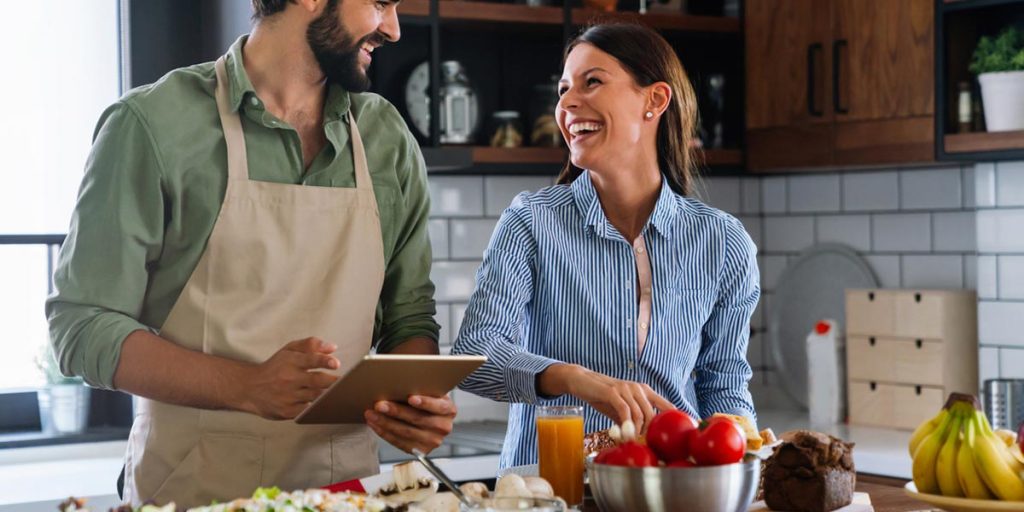

Cooking is both a practical skill and an expressive art, offering endless opportunities to nourish, delight, and bring people together. Whether you are a seasoned home chef or an enthusiastic beginner, refining your cooking techniques elevates every meal into a gratifying experience. This article presents an original, elegant, and insightful collection of cooking tips designed to guide you toward culinary mastery with refined ease and creativity.
Understanding the Foundations: Preparing with Purpose
Successful cooking begins well before the first sizzle on the stove—it lies in preparation, knowledge of ingredients, and thoughtful organization.
Mastering Mise en Place
“Mise en place,” a French term meaning “everything in its place,” encourages preparing and organizing all ingredients and tools before cooking begins. This practice not only streamlines workflow but reduces stress and mistakes, creating a harmonious kitchen environment.
Ingredient Quality: The Canvas of Flavor
High-quality, fresh ingredients form the backbone of exceptional dishes. Sourcing seasonal produce, fresh herbs, premium cuts of meat, and good-quality oils and spices enhances flavor complexity naturally, requiring less masking or over-seasoning.
Understanding Ingredients
Knowing how ingredients behave — from moisture content to cooking times and flavor profiles — informs choices that optimize texture and taste. For example, understanding which oils have high smoke points prevents burning, while knowing herbs’ potency helps balance seasoning.
Essential Cooking Techniques: Tools for Consistency and Creativity
Building a solid repertoire of techniques empowers cooks to approach a wide range of recipes with confidence.
Knife Skills: Precision and Safety
-
Proper Grip and Control: Holding knives correctly improves cutting precision and reduces fatigue.
-
Mastering Basic Cuts: Dicing, julienning, chiffonade, and batonnet are fundamental skills essential for presentation and even cooking.
-
Safety First: Always curl fingers inward and keep blades sharp to minimize accidents.
Temperature Mastery
-
Preheating Pans: Ensuring pans reach the right temperature prevents sticking and promotes even browning.
-
Searing for Flavor: High heat develops caramelization (the Maillard reaction), enriching taste and texture in meats and vegetables.
-
Low and Slow Cooking: For tenderness and depth, techniques like braising and slow roasting coax out rich flavors.
Balancing Flavors
Understanding how to balance salty, sweet, sour, bitter, and umami is the hallmark of culinary finesse. Small adjustments — a pinch of sugar, a squeeze of lemon, a dash of salt — can transform a dish from flat to extraordinary.
Timing and Multitasking: The Rhythm of the Kitchen
Excellent cooks choreograph multiple elements gracefully to ensure components come together perfectly.
-
Plan Ahead: Review recipes fully and identify critical timing points.
-
Use Timers and Alarms: Precision in timing prevents overcooking or undercooking.
-
Clean as You Go: Maintaining an orderly workspace improves efficiency and safety.
-
Delegate: When cooking for groups, assigning tasks or prepping components in advance alleviates pressure.
Elevating Presentation: The Visual Art of Plating
Beyond taste, food presentation engages the eyes and heightens anticipation.
Plating Principles
-
Color Contrast: Incorporating a variety of colors from vegetables, garnishes, and sauces creates visual excitement.
-
Texture Variety: Balancing crunchy, creamy, and tender elements adds interest and satisfaction.
-
Portion Control: Balanced, well-sized servings maintain appeal and prevent overwhelminess.
-
Use of Space: Strategic placement avoids clutter and highlights key components.
Garnishing with Intention
Simple touches like fresh herbs, edible flowers, a drizzle of infused oils, or a sprinkle of textured toppings transform the ordinary into refined elegance.
Common Pitfalls and How to Avoid Them
Awareness of frequent mistakes helps cooks troubleshoot and improve:
-
Overcrowding the Pan: This lowers heat, causing steaming instead of crisping; cook in batches if needed.
-
Incorrect Seasoning: Season gradually and taste frequently; missing or overpowering salt is a common flaw.
-
Ignoring Resting Times: Allow meat and baked goods to rest post-cooking to redistribute juices and finalize textures.
-
Rushing Recipes: Patience is key to developing layers of flavor, especially in slow-cooked or fermented dishes.
Expanding Palates and Experimentation
A great cook remains curious:
-
Explore Global Cuisines: Incorporating international spices, techniques, and ingredients broadens versatility.
-
Seasonal and Local: Experimenting with local, seasonal produce inspires creativity and freshness.
-
Adapt Recipes: Personalize dishes according to taste preferences or dietary needs without fear of innovation.
-
Keep a Culinary Journal: Recording modifications, successes, and ideas supports continual growth.
Caring for Your Kitchen Tools
Maintaining kitchen tools ensures safety, efficiency, and longevity:
-
Sharpen Knives Regularly: A sharp knife is safer and more effective.
-
Use Appropriate Cookware: Match pans and knives to tasks for optimal results.
-
Routine Cleaning and Storage: Proper cleaning prevents rust and contamination.
-
Invest Thoughtfully: Quality tools are investments in your cooking journey.
The Chef’s Mindset: Patience, Passion, and Persistence
At the heart of cooking lies attitude:
-
Stay Patient: Culinary skills deepen over time with practice and reflection.
-
Embrace Mistakes: Failures are lessons that sharpen judgment and technique.
-
Celebrate Small Wins: Recognize improvements and successes to sustain motivation.
-
Cook with Love: Infuse every dish with the passion that transforms food into comfort and connection.
Conclusion: Cooking as an Ever-Evolving Craft
Mastering cooking is a continuous blend of skill, creativity, and intuition. By adopting foundational principles, honing techniques, embracing experimentation, and cultivating mindfulness, home cooks and professionals alike can elevate their culinary execution to new heights.
The kitchen is a stage where science meets art and nourishment meets storytelling. With refined techniques and a thoughtful approach, every dish becomes an opportunity to delight, nourish, and express the joy of cooking.
Whether preparing a simple weekday meal or an elaborate feast, the right cooking tips empower you to create memorable flavors and cherished moments around the table—celebrating the timeless joy of food and fellowship.