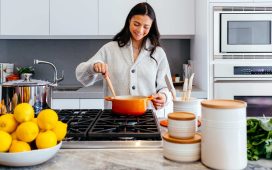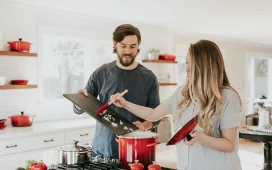


Cooking is a timeless fusion of science, creativity, and intuition—a discipline where skillful technique meets personal expression to nourish both body and soul. Whether you’re a seasoned cook seeking to refine your repertoire or an enthusiastic novice eager to build confidence, mastering key cooking tips can elevate every dish from the ordinary to the extraordinary. This article presents a polished, thoughtful collection of cooking tips designed to enhance your skills, enrich your flavor palette, and cultivate joy and ease in the kitchen.
Laying the Groundwork: Preparation as the Key to Success
Embrace the Art of Mise en Place
The French culinary practice of mise en place, meaning “everything in its place,” is a golden rule for professional and home cooks alike. Preparing and organizing ingredients, tools, and equipment before you start not only streamlines the cooking process but sharpens your focus and reduces errors. This preparation creates a calm, efficient space where technique and timing take center stage.
Prioritize Ingredient Quality
The foundation of every exceptional dish begins with fresh, high-quality ingredients. Seek out seasonal vegetables, ethically sourced proteins, fragrant herbs, and quality staples. Superior ingredients often require less manipulation or heavy seasoning, allowing natural flavors to shine.
Respect Ingredient Temperatures
Allow ingredients like meats, butter, eggs, and even certain dairy products to rest at room temperature before cooking. This ensures even cooking, improves texture, and enhances the balance of flavors, especially in delicate preparations such as cakes or custards.
Refined Techniques: Building Blocks of Culinary Excellence
Sharpen and Master Your Knife Skills
-
The Advantage of Sharpness: A well-sharpened knife not only increases precision but also reduces the risk of accidents by requiring less force.
-
Fundamental Cuts: Learn essential techniques like slicing, dicing, julienne, and chiffonade. Uniform cuts ensure even cooking and contribute to the dish’s visual appeal.
-
Safety First: Maintaining a secure grip and curling fingertips inward safeguard against injury.
Harness the Power of Heat Control
-
Preheat Mindfully: Always allow pans and ovens to reach the appropriate temperature before cooking, which prevents sticking and ensures consistent results.
-
Sear to Build Flavor: High heat initiates the Maillard reaction, creating complex caramelized flavors and appealing textures on meats and vegetables.
-
Apply Gentle Cooking for Depth: Slow simmering, braising, or roasting develops richness and tenderness, coaxing complex notes from ingredients.
Season Thoughtfully Throughout
Seasoning is a layered process, not a single step. Gradually add salt, acid, herbs, and spices at different stages, tasting frequently to balance and build depth. This nuanced approach transforms simple preparation into culinary art.
Time and Organization: Conducting Your Kitchen Symphony
-
Plan Your Workflow: Read recipes thoroughly and visualize steps before starting to anticipate challenges and organize efforts.
-
Employ Timers Judiciously: Timers serve as helpful reminders, but keen sensory observation remains paramount for perfect doneness.
-
Keep a Clean Workspace: Cleaning as you cook maintains order, reduces cross-contamination, and fosters creativity.
-
Delegate and Sequence: Coordinate prep and cooking tasks to optimize efficiency, especially when preparing multiple components.
Artistry in Presentation: The Visual Flavor
Embrace Principles of Plating
-
Play with Color: Use vibrant and contrasting hues from fruits, vegetables, and garnishes to captivate the eye.
-
Balance Textures: Combine crispy, creamy, and tender elements for an engaging mouthfeel that invites anticipation.
-
Mindful Portions and Space: Balanced servings with deliberate negative space create elegant and inviting plates.
Garnish with Intention
Garnishes should enhance aroma and flavor as well as aesthetics. Fresh herbs, zests, phyllo crisps, or delicate drizzles of infused oils can elevate a dish from humble to haute.
Common Pitfalls and How to Avoid Them
-
Overcrowding the Pan: This traps moisture, preventing browning. Cook in batches when necessary to maintain heat and texture.
-
Rushing Rest Periods: Let meats and baked goods rest to allow juices and flavors to redistribute, ensuring optimal tenderness.
-
Over-Seasoning or Under-Seasoning: Layer seasoning gradually and taste as you go to avoid missteps.
-
Impatience with Slow Cooked Dishes: Respect cooking times in braising or slow simmering; flavor complexity depends on patience.
Expanding Your Culinary Horizons
-
Explore New Cuisines: Incorporate techniques and ingredients from diverse cultures to inspire creativity and broaden your flavor vocabulary.
-
Cook Seasonally and Locally: Seasonal produce maximizes freshness and supports sustainability while inspiring new dishes.
-
Personalize Fearlessly: Adapt recipes to suit your preferences or dietary needs—cooking is a conversation, not a rigid formula.
-
Document Your Progress: Keep a cooking journal noting modifications, successes, and insights for continual growth.
Care for Your Tools: Investing in Efficiency and Safety
-
Regular Knife Sharpening: Keeps cutting smooth and safe.
-
Use Appropriate Equipment: Match pans and utensils to the task for better heat distribution and control.
-
Routine Cleaning and Maintenance: Prevent wear and contamination for lasting tool performance.
-
Select Quality Over Quantity: Invest in durable, ergonomic tools that complement your cooking style.
Cultivating the Cook’s Mindset: Patience, Passion, and Persistence
-
Patience is a Virtue: Mastery demands time; embrace trial and error with an open heart.
-
Curiosity Fuels Creativity: Stay adventurous with ingredients and techniques to continually discover new flavors.
-
Mindful Engagement: Cooking with full attention enhances intuition, timing, and joy.
-
Love Transforms Food: Passion imbues dishes with warmth that resonates beyond the plate.
Conclusion: Cooking as an Ever-Evolving Art
Cooking bridges sensory science and personal fulfillment. By sharpening foundational techniques, fostering curiosity, and embracing thoughtful preparation, anyone can create dishes that nourish, delight, and connect.
Every meal is an opportunity—whether a quick weeknight dinner or a sophisticated feast—to celebrate life through flavor, craft, and shared experience.
With deliberate approaches and inspired care, the kitchen becomes a stage for culinary artistry, crafting not just food but memories that linger in the senses and hearts of those gathered around the table.