
The culinary world reverberates with passion, precision, and creativity, all harmonized under the skilled stewardship of the chef. More than a cook, the chef embodies artistry, scientific knowledge, and dynamic leadership—transforming raw ingredients into extraordinary dining experiences that nourish, inspire, and connect. This comprehensive exploration peels back the layers of the chef’s multifaceted role, revealing the dedication, skills, and innovation that sustain this revered profession.
Defining the Chef: A Culinary Connoisseur Beyond the Kitchen
A chef’s identity transcends the act of cooking; they are the architects of flavor, texture, and presentation who weave culture, emotion, and technique into every dish. At its core, a chef is a professional culinary artist responsible for menu conceptualization, kitchen management, and the culmination of a captivating gastronomic journey.
Great chefs blend the rigor of technical skill—mastering ingredient science and cooking methods—with boundless creativity that pushes boundaries and challenges palates. Beyond the plate, they embody leadership, mentoring their teams to uphold excellence through collaboration and discipline.
Foundational Skills and Qualities Shaping Distinguished Chefs
Excelling as a chef calls for a broad and evolving skill set that goes beyond mastering the recipe book:
-
Culinary Mastery: Profound knowledge of cooking techniques, ingredient combinations, flavor profiles, and food science enables chefs to innovate while maintaining consistent quality.
-
Creative Ingenuity: Vision to transform traditional cuisine and invent novel dishes that surprise and delight diners.
-
Leadership Acumen: The ability to inspire and manage kitchen teams efficiently under pressure, fostering a productive and positive work environment.
-
Meticulous Attention to Detail: From precise seasoning to elegant plating, accuracy is essential for repeatable success.
-
Stamina and Resilience: The demanding environment of a kitchen requires physical endurance and emotional fortitude.
-
Operational Insight: Competency in inventory control, budgeting, supplier relations, and compliance ensures smooth and sustainable kitchen operations.
-
Cultural Sensitivity and Inclusivity: Appreciating diverse culinary traditions and accommodating dietary restrictions expands the chef’s reach and enriches the culinary repertoire.
The Chef’s Journey: Cultivation Through Experience and Education
Traditionally, a chef’s ascent begins with foundational training—formal culinary education or apprenticeships under seasoned chefs. Gaining experience through progressively responsible kitchen roles nurtures technical skills and situational judgment essential for later leadership positions.
As chefs mature, they often specialize in areas such as pastry, regional cuisines, or molecular gastronomy, continually refining their craft. Lifelong learning keeps them aligned with emerging trends, innovative techniques, and shifting consumer preferences.
The Evolving Role of the Modern Chef
Modern chefs balance artistic creation with operational leadership and business mindfulness:
-
Menu Development: Crafting menus that reflect seasonal availability, cost management, customer preferences, and nutritional balance.
-
Quality Control: Ensuring ingredient freshness, hygiene, and consistency at every step.
-
Staff Oversight: Recruiting, training, scheduling, and motivating kitchen staff to achieve collective excellence.
-
Customer Engagement: Enhancing guest experience through interaction, storytelling, and occasionally live culinary demonstrations.
-
Sustainability Advocacy: Promoting local sourcing, reducing waste, and embracing environmentally responsible practices.
Cultural Ambassadors: Chefs as Custodians of Heritage and Innovation
Chefs play a vital role in preserving and revitalizing culinary heritage, while welcoming global influences that enrich local traditions. Their creations foster cross-cultural understanding and curiosity, making food a bridge connecting past, present, and future.
Many chefs extend their impact beyond the kitchen—driving community engagements, advocating for food education, and participating in movements countering food insecurity and promoting ethical sourcing.
The Art and Science of Presentation: Visual Storytelling on a Plate
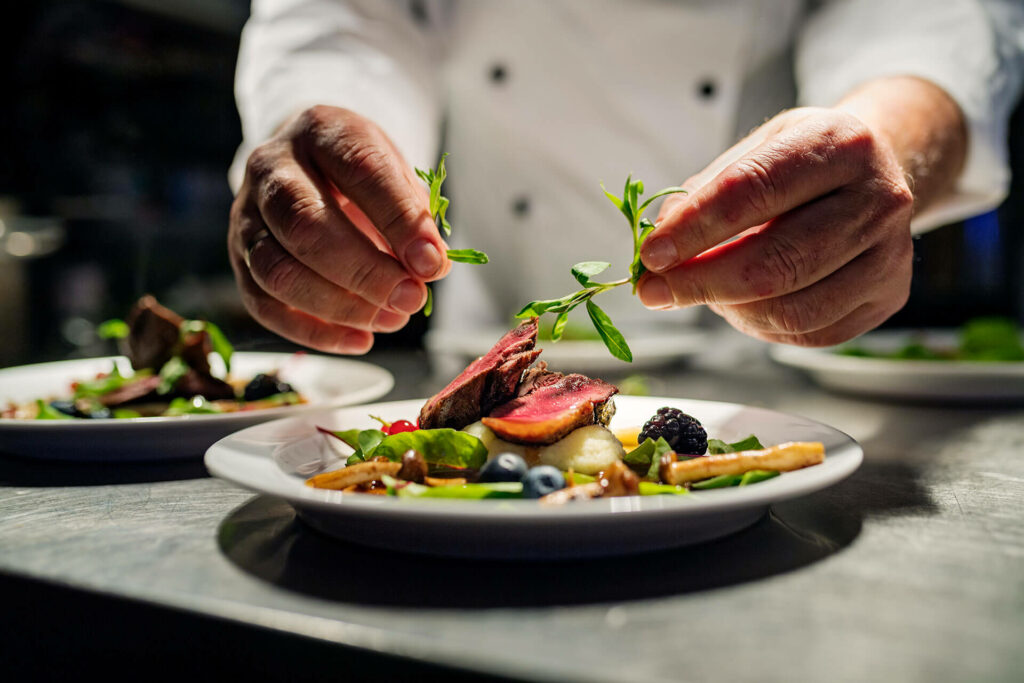
Culinary presentation has evolved into a refined art, where visual appeal is as compelling as flavor. Chefs use color contrasts, textural interplay, and creative plating to orchestrate a multisensory experience. Delicate garnishes, edible flowers, and sculptural elements turn dishes into memorable visual narratives that invite anticipation and admiration.
Overcoming Challenges in the Culinary Profession
The intense demands of the chef’s role present ongoing challenges:
-
High Stress and Demands: Endurance, clear communication, and time management are critical to thriving under pressure.
-
Physical Exhaustion: Maintaining health and ergonomics supports long-term career sustainability.
-
Consistency Requirement: Strict adherence to standards and continuous training ensure reliable quality.
-
Adapting to Trends: Staying abreast of food innovations, dietary needs, and consumer behavior requires adaptability.
-
Ingredient Sourcing: Navigating costs, availability, and quality necessitates ingenuity and strong supplier partnerships.
Success hinges on resilience, open-mindedness, a commitment to learning, and fostering a supportive team environment.
Guiding Insights for Aspiring Chefs
-
Seek comprehensive education and diverse hands-on culinary experiences.
-
Embrace continuous learning and cultivate curiosity about global food cultures.
-
Develop leadership, communication, and business skills alongside culinary technique.
-
Prioritize physical fitness and mental well-being to sustain demanding kitchen life.
-
Build professional networks and seek mentorship for growth and guidance.
Conclusion: The Chef as a Visionary Architect of Taste and Culture
A chef’s craft illuminates the extraordinary potential of cuisine—melding technical mastery with creativity and leadership to inspire shared joy and cultural richness. They transform simple ingredients into compelling stories, forging connections across tables and generations.
By embracing the multifaceted demands of the profession with passion and precision, chefs elevate dining from the mundane to an unforgettable celebration of life. Their hands shape not only meals but memories, making the chef an enduring pillar of hospitality and artistry in the human experience.