
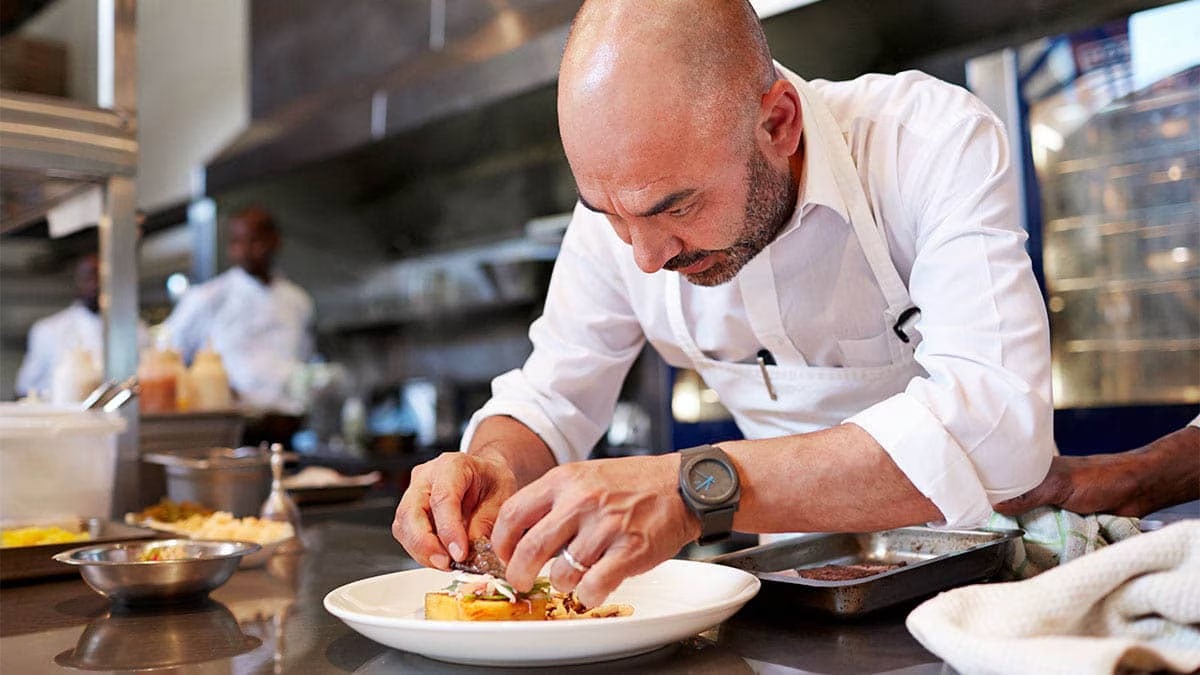

In the realm of gastronomy, the chef stands as a paragon of creativity, discipline, and leadership—a figure whose influence extends far beyond the kitchen. A chef is not merely a cook but a visionary artist, a meticulous scientist, and an inspiring leader. They transform humble ingredients into symphonies of flavor and texture, orchestrate teams with finesse, and ignite moments of joy and connection through food. This article presents a refined and original exploration of the chef’s multifaceted role, unveiling the skills, responsibilities, and cultural significance that define this noble craft.
Defining the Chef: More Than Just Culinary Skill
At its heart, a chef is a culinary professional endowed with profound expertise in cooking techniques, ingredient science, and kitchen dynamics. Yet, exceptional chefs elevate their role through artistry and storytelling—using food as a medium to express culture, passion, and innovation. Each dish becomes a narrative imbued with history, personal touch, and creativity.
The chef’s domain encompasses leadership—guiding kitchen brigades with clarity, empathy, and rigorous standards—and engagement, connecting with guests to share the inspiration behind each creation. They balance tradition with modernity, precision with imagination, and operational efficiency with artistic freedom.
Core Competencies and Qualities of Exemplary Chefs
Success in professional kitchens demands a broad and evolving range of skills and traits:
-
Technical Mastery: Proficiency in diverse cooking methods, flavor balancing, seasoning, and plating is essential to craft dishes of consistent excellence.
-
Creative Innovation: Inventive chefs reimagine classics and pioneer new culinary directions, delighting palates with unexpected combinations and presentations.
-
Leadership and Communication: Inspiring and managing teams, communicating effectively under pressure, and fostering a culture of collaboration and accountability are vital.
-
Attention to Detail: Precision in timing, portion control, hygiene, and presentation ensures every plate meets rigorous standards.
-
Resilience and Stamina: The intense, fast-paced environment demands physical endurance, mental fortitude, and the ability to perform under stress.
-
Business Acumen: Understanding budgeting, supplier relations, inventory control, and customer service supports sustainable operations.
-
Cultural Sensitivity and Adaptability: Embracing diverse cuisines and dietary preferences enriches menus and broadens appeal.
The Culinary Journey: From Apprentice to Maestro
The path to becoming a chef traditionally begins with apprenticeship or formal culinary education, where foundational techniques and food science are imparted. Hands-on experience sharpens skills under real-world pressures, fostering discipline and intuition.
As chefs progress, they often specialize—be it pastry arts, butchery, or molecular gastronomy—and ascend through ranks including line cook, sous chef, head chef, and executive chef. Each stage demands increasing creativity, managerial capability, and strategic vision, culminating in leadership over culinary direction and kitchen operations.
Lifelong learning is a constant; great chefs refine their craft by exploring new techniques, embracing trends, and integrating sustainable practices.
Expanding Roles of the Modern Chef
Today’s chef blends artistry with diversified responsibilities:
-
Menu Curation: Designing dynamic, balanced menus that respect seasonality, trends, and guest preferences while managing costs.
-
Quality Assurance: Ensuring ingredient freshness, hygiene, and consistency at all preparation stages. In professional kitchens, chefs often reinforce these standards by following practical food safety guidance such as https://www.hsedocs.com/blog/essential-food-hygiene-rules/ to ensure hygiene compliance, staff awareness, and guest safety.
-
Team Leadership: Recruiting, training, scheduling, and nurturing a cohesive, motivated kitchen team.
-
Guest Engagement: Personalizing dining experiences through interaction, storytelling, and culinary demonstration.
-
Sustainability Stewardship: Advocating local sourcing, waste reduction, and environmentally responsible methods.
Culinary Storytelling Through Presentation
The visual dimension of cuisine is integral to a chef’s expression. Thoughtful use of color contrasts, textural interplay, refined plating techniques, and artistic garnishing transform food into immersive narratives. Edible flowers, sculpted sauces, and precise plating architecture engage guests’ senses before the first bite, enhancing enjoyment and anticipation.
Overcoming Challenges in the Culinary World
Chefs face considerable challenges:
-
Intense Pressure and Hours: Maintaining focus, managing stress, and fostering teamwork sustain productivity and mental health.
-
Physical Demands: Endurance and good ergonomics help mitigate fatigue associated with long shifts on one’s feet.
-
Maintaining Consistency: Rigid adherence to standards, standardized recipes, and quality control assure repeatable excellence.
-
Adapting to Trends: Staying abreast of dietary changes, emerging ingredients, and sustainability demands agility and innovation.
-
Ingredient Sourcing and Budget Constraints: Strategic planning and supplier negotiation balance quality with cost-effectiveness.
Successful chefs cultivate resilience, continuous improvement, and positive kitchen cultures to thrive.
Guidance for Aspiring Chefs
-
Pursue comprehensive education augmented by diverse hands-on kitchen experience.
-
Embrace curiosity, patience, and receptiveness to constructive feedback.
-
Hone leadership and communication skills alongside culinary mastery.
-
Explore global cuisines and scholarly food science to broaden expertise.
-
Prioritize physical health and mental well-being throughout demanding careers.
-
Seek mentorship and engage with professional networks for growth.
Cultural and Social Significance of Chefs
Chefs influence culinary heritage by preserving traditions, introducing innovative fusions, and fostering cultural exchange. They connect diners to history and identity through food, simultaneously serving as educators and innovators.
Many chefs champion social causes—nutrition education, sustainability, and food equity—embodying ethical leadership beyond the kitchen.
Conclusion: The Chef as Visionary Artisan and Cultural Ambassador
Chefs stand at the confluence of craft, creativity, leadership, and cultural celebration. Their work transcends nourishment, transforming dining into evocative experiences that connect people and communities.
By embracing this multifaceted role with passion and precision, chefs create not just meals but memories. Their art enriches lives, and their kitchens become sanctuaries of innovation and excellence—each dish a testament to their enduring impact on the culinary world and society at large.