
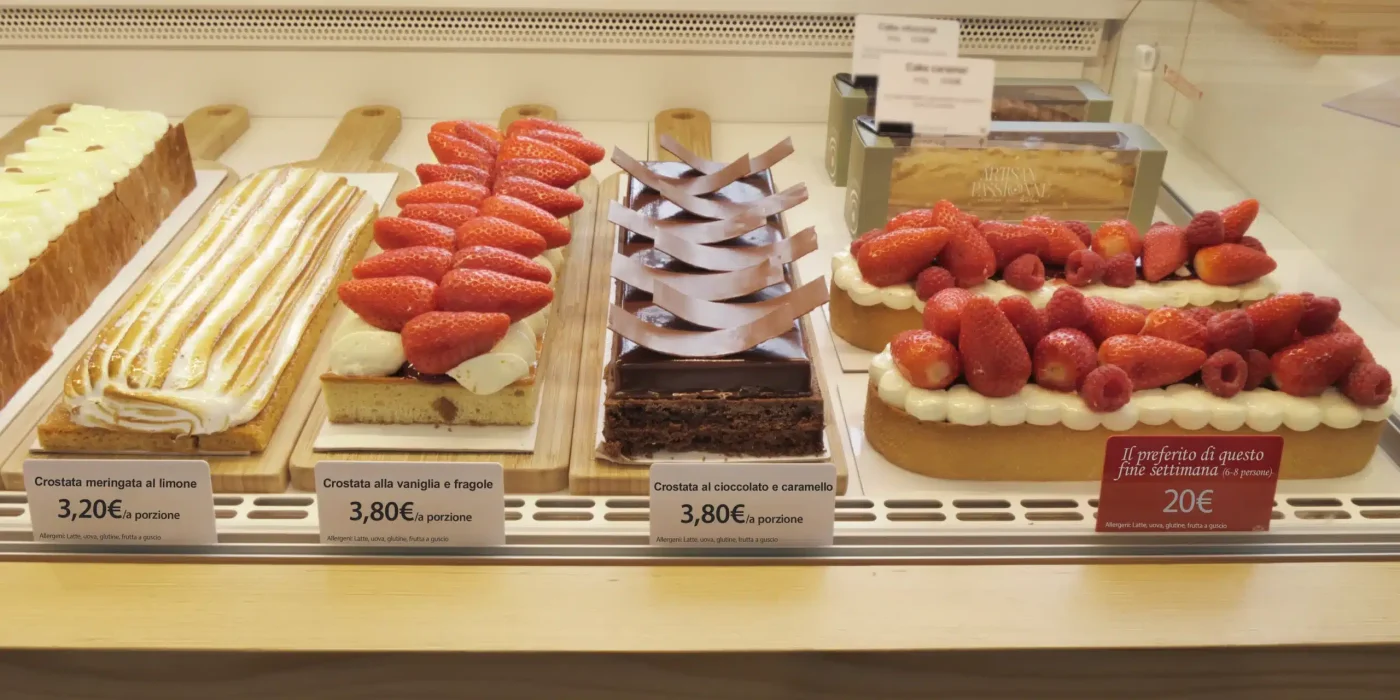

Pricing bakery products is one of the most delicate balancing acts in the food business. Set prices too high, and customers walk away. Set them too low, and profits disappear—even when sales are strong. The key is to price with intention, clarity, and confidence, while still delivering value your customers can feel and trust.
This guide breaks down practical, real-world strategies to help you price your bakery products profitably without pushing loyal customers away.
Understand Your True Costs Before Setting Prices
Many bakeries struggle with pricing because they underestimate what each product truly costs to make. Guesswork leads to razor-thin margins and burnout.
Calculate Direct Costs Accurately
Direct costs are expenses that go straight into making a product. These should be calculated per item, not estimated in bulk.
Include:
-
Ingredients (flour, butter, sugar, yeast, chocolate, fillings)
-
Packaging (boxes, bags, labels)
-
Direct labor (time spent mixing, baking, decorating)
Even small ingredients like vanilla or baking powder add up when scaled across batches.
Account for Indirect and Overhead Costs
Indirect costs keep your bakery running but are easy to overlook when pricing.
Examples:
-
Rent and utilities
-
Equipment maintenance
-
Insurance and licenses
-
Marketing and delivery costs
A common approach is to spread monthly overhead across total units sold to find an approximate overhead cost per item.
Use a Profit-First Pricing Formula
Once you know your costs, pricing becomes far more controlled.
Start With a Cost-Plus Model
A simple and reliable formula looks like this:
Price = Total Cost per Item + Desired Profit Margin
Most bakeries aim for:
-
60–70% gross margin on specialty or custom items
-
50–60% gross margin on everyday baked goods
This ensures your business can grow, not just survive.
Avoid Competing Only on Price
Lower prices may attract first-time buyers, but they rarely build sustainable businesses. Customers who choose bakeries solely on price often leave just as quickly.
Instead, compete on:
-
Quality and freshness
-
Unique recipes or flavors
-
Personal service and brand experience
Price Based on Perceived Value, Not Just Cost
Customers don’t buy baked goods only for ingredients—they buy the experience.
Highlight What Makes Your Bakery Worth It
When customers understand why something costs more, they’re more willing to pay.
Increase perceived value by emphasizing:
-
Handcrafted or small-batch production
-
Premium or locally sourced ingredients
-
Customization or limited availability
-
Visual appeal and packaging
A beautifully finished pastry with a clear story behind it feels like a treat, not an expense.
Segment Pricing Across Your Product Line
Not every item should carry the same margin.
Create Entry-Level and Premium Options
A balanced menu attracts both budget-conscious shoppers and high-spending fans.
Examples:
-
Affordable staples like rolls or muffins to drive foot traffic
-
Premium items like artisan cakes, croissants, or seasonal specials for higher margins
This strategy protects your overall profitability while keeping your bakery accessible.
Test Prices Gradually Instead of Making Big Jumps
Sudden price increases can shock customers—even if they’re justified.
Use Small, Strategic Adjustments
Rather than raising prices across the board:
-
Increase prices on bestsellers first
-
Add slightly higher-priced new items
-
Adjust portion sizes subtly when appropriate
Monitor sales volume, customer feedback, and profit margins after each change.
Monitor Customer Behavior and Sales Data
Your customers will tell you—through their actions—whether your pricing works.
Track Key Signals
Watch for:
-
Declining sales on specific items
-
Customers switching to lower-priced products
-
Increased demand despite higher prices
Strong sales after a price increase usually mean you were underpricing before.
Review Pricing Regularly as Costs Change
Ingredient prices, labor costs, and utilities fluctuate. Pricing should not be static.
Set a routine review schedule—quarterly or biannually—to ensure your prices still support healthy margins without surprises.
Communicate Price Changes With Confidence
Customers react better when price changes feel thoughtful, not reactive.
Be Transparent Without Over-Explaining
You don’t need to justify every dollar, but clear communication helps.
Effective messaging includes:
-
Emphasizing quality and consistency
-
Framing increases as improvements or sustainability
-
Keeping tone calm and confident
Confidence signals value. Apologies signal doubt.
FAQ: Bakery Pricing Questions Answered
How much profit margin should a bakery aim for?
Most successful bakeries target 50–70% gross margins, depending on product type and market positioning.
Is it better to price high and offer discounts or keep prices steady?
Steady, fair pricing builds trust. Frequent discounts can train customers to wait for sales and reduce perceived value.
How do I price custom cakes or special orders?
Custom work should include higher margins to cover design time, consultations, and complexity. Never price custom items the same as standard products.
What if customers complain about price increases?
Some complaints are normal. Focus on overall sales and profitability trends rather than isolated feedback.
Should I match competitors’ prices?
Use competitors as reference points, not rules. Your costs, quality, and brand are unique and should guide pricing decisions.
How do I know if my bakery is underpricing?
Consistent high sales with low profits, constant cash flow stress, or inability to reinvest are strong signs of underpricing.
Can portion size adjustments replace price increases?
Yes, when done carefully. Slight reductions can protect margins without triggering strong customer reactions.