
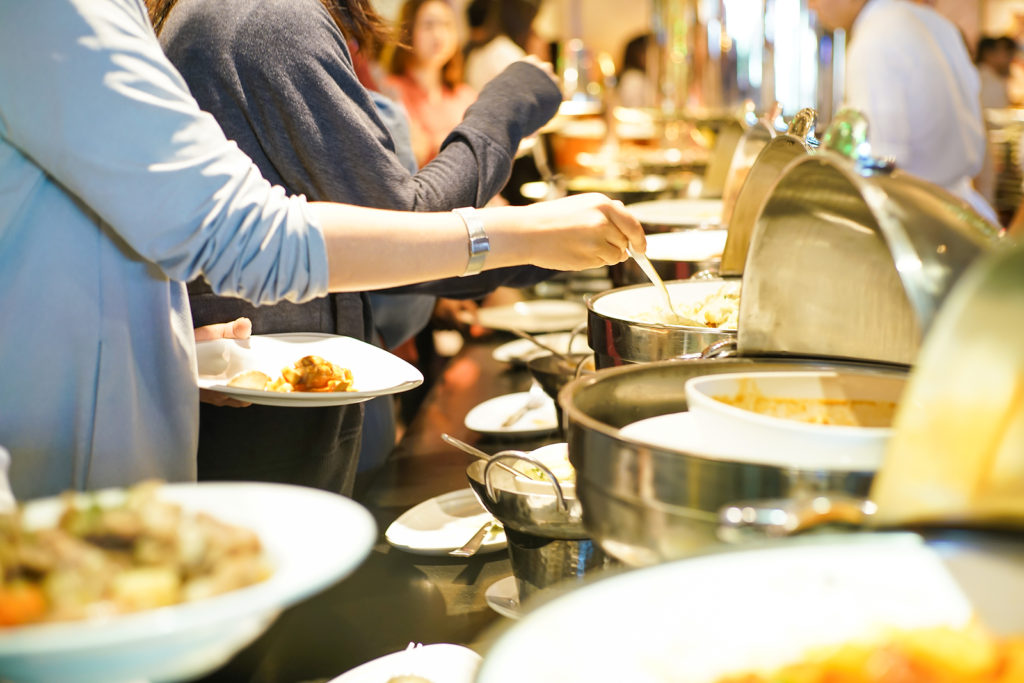

Delivering a flawless event is rarely accidental. Behind every memorable gathering is well-planned catering that balances timing, taste, presentation, and professionalism. Whether you’re organizing a corporate conference, wedding, or private celebration, smart catering decisions can elevate the entire experience while preventing last-minute chaos.
Understand the Event’s Purpose and Audience
Before menus or staffing are discussed, clarity is essential. Every successful catering plan starts with understanding why the event exists and who will attend.
Key considerations include:
-
Event type: corporate meeting, wedding, gala, or casual social gathering
-
Guest profile: age range, cultural background, dietary expectations
-
Tone: formal, semi-formal, or relaxed
Aligning catering choices with these factors ensures the food complements the event rather than distracting from it.
Menu Planning with Precision
A well-curated menu is about balance, not excess. Variety matters, but so does cohesion.
Best practices for menu planning:
-
Offer a mix of proteins, vegetarian, and vegan options
-
Keep dishes seasonally appropriate for freshness and cost control
-
Avoid overly complex items that are difficult to serve consistently
-
Include clearly labeled allergen-friendly selections
Thoughtful menu design minimizes waste, controls costs, and keeps guests satisfied.
Prioritize Timing and Service Flow
Even exceptional food can fall flat if served at the wrong time. Smooth service flow is a hallmark of professional catering.
Focus on:
-
Accurate guest count estimates with a small buffer
-
Coordinating food service with speeches, presentations, or performances
-
Ensuring hot food stays hot and cold items remain chilled
-
Planning staggered service for large crowds to avoid bottlenecks
When timing is right, guests feel relaxed and well cared for.
Invest in Skilled Catering Staff
Experienced staff can quietly solve problems before guests ever notice them. Their role goes far beyond serving plates.
Professional catering staff should provide:
-
Polite, confident guest interaction
-
Efficient setup and breakdown
-
Knowledge of menu items and allergens
-
Quick adaptability to unexpected changes
A well-trained team keeps operations seamless and the atmosphere stress-free.
Focus on Presentation and Layout
Visual appeal influences how guests perceive quality. Food presentation and layout should enhance accessibility and elegance.
Tips for better presentation:
-
Match serving styles to the event tone
-
Use clean, cohesive tableware and linens
-
Design buffet layouts that encourage smooth movement
-
Keep service stations uncluttered and well-lit
Good presentation makes the dining experience feel intentional and refined.
Prepare for the Unexpected
Even the most detailed plans need flexibility. Backup strategies separate amateurs from professionals.
Always plan for:
-
Weather changes for outdoor events
-
Extra portions for unexpected guests
-
Equipment or power issues
-
Last-minute dietary requests
Preparedness ensures calm responses instead of rushed reactions.
Maintain Clear Communication Throughout
Miscommunication is one of the most common causes of catering mishaps. Clear, consistent communication keeps everyone aligned.
Best communication practices include:
-
Written confirmations for menus, schedules, and headcounts
-
A single point of contact on event day
-
Pre-event walkthroughs of the venue
-
Clear timelines shared with all staff
When everyone knows the plan, execution becomes effortless.
Post-Event Evaluation Matters
Success doesn’t end when the last plate is cleared. Reviewing what worked and what didn’t builds long-term improvement.
After the event:
-
Gather feedback from hosts and guests
-
Note timing, portioning, and service efficiency
-
Identify areas for refinement
Continuous evaluation helps elevate future events and strengthens professional credibility.
Frequently Asked Questions
What is the ideal catering lead time for an event?
For medium to large events, booking 4–8 weeks in advance is recommended to secure staff, finalize menus, and handle logistics.
How do caterers handle dietary restrictions effectively?
Professional caterers plan labeled options in advance and train staff to answer allergen-related questions confidently.
Is buffet or plated service better for large events?
Buffets work well for casual or high-volume events, while plated service suits formal occasions with structured schedules.
How much extra food should be planned?
A 5–10% buffer is standard to accommodate unexpected guests or increased appetites without excessive waste.
Can catering work within a strict budget?
Yes. Strategic menu choices, seasonal ingredients, and simplified service styles help maintain quality while controlling costs.
What role does venue coordination play in catering success?
It ensures access to kitchens, power, storage, and service flow, preventing delays or operational issues.
How do caterers maintain food safety during events?
By following strict temperature controls, hygiene standards, and food-handling protocols throughout preparation and service.