
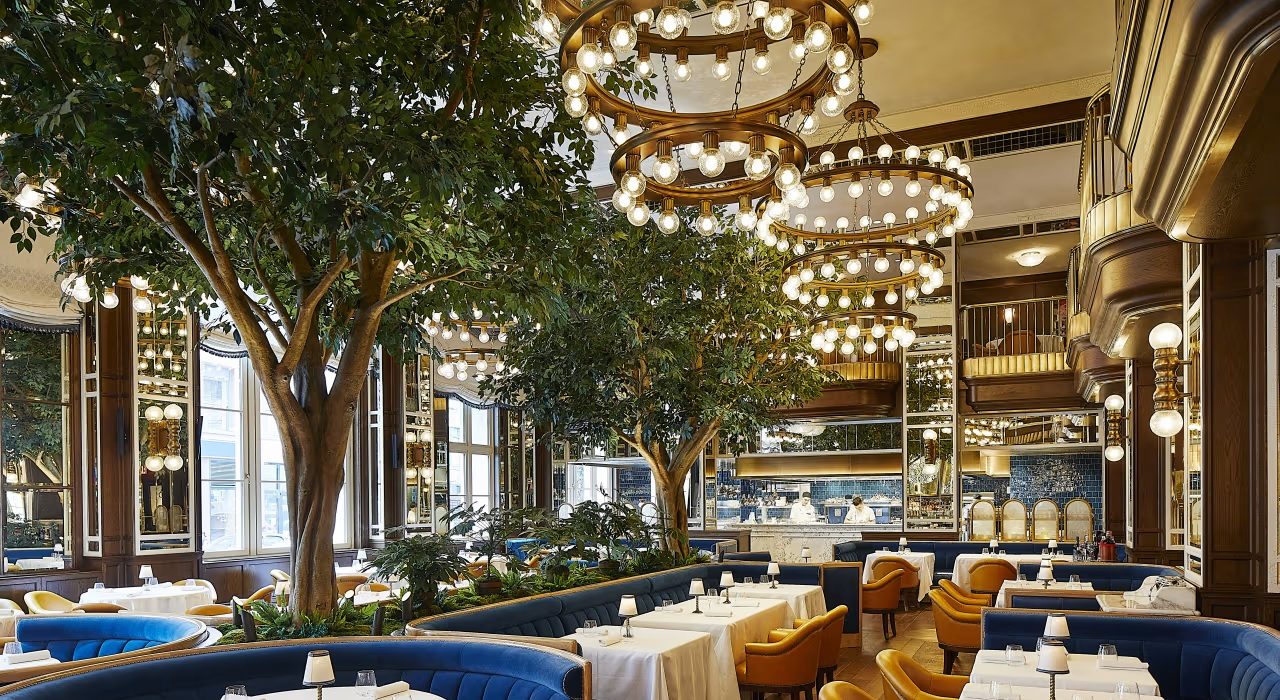

Restaurants are far more than places to eat; they are cultural hubs, sensory stages, and social sanctuaries where culinary craft, thoughtful hospitality, and ambiance converge to create memorable experiences. The restaurant journey artfully blends food, atmosphere, and service into a seamless narrative that satisfies beyond hunger—nurturing connection, delight, and discovery. This article offers a refined, insightful exploration of what defines a restaurant in today’s gastronomic landscape, illuminating its multifaceted roles, operational underpinnings, and enduring appeal.
Defining the Restaurant: A Dynamic Meeting Place
At its core, a restaurant is an establishment dedicated to preparing and serving food and beverages to customers in exchange for payment. Yet its function extends well beyond this transactional definition. Restaurants embody craftsmanship in culinary innovation, hospitality as a form of art, and design that engages the senses. Whether an intimate bistro, a bustling casual eatery, or an elegant fine-dining venue, a restaurant provides a holistic experience tailored to diverse tastes, occasions, and cultural contexts.
The ability to harmonize quality cuisine, impeccable service, and inviting atmosphere distinguishes exceptional restaurants, transforming each meal into a curated event that fosters community and celebration.
The Pillars of a Successful Restaurant
Restaurants rely on a delicate interplay of key elements that together define their identity and success:
Culinary Excellence
-
Menu Creativity: A thoughtfully crafted menu balances innovation with authenticity, seasonal ingredients with timeless favorites, and caters to diverse dietary needs.
-
Ingredient Integrity: Emphasizing fresh, high-quality, and often locally sourced ingredients ensures superior flavor and supports sustainable practices.
-
Skillful Execution: Precision in cooking technique and consistency uphold the establishment’s reputation and guest satisfaction.
Hospitality and Service
-
Warm, Attentive Staff: Attuned to guest preferences and needs, service teams imbue visits with comfort, respect, and personalized attention.
-
Team Coordination: Seamless collaboration between front and back of house staff sustains flow, efficiency, and a polished guest experience.
Ambiance and Design
-
Atmospheric Cohesion: Thoughtful interior design, lighting, and acoustics create mood and complement culinary style, enhancing overall enjoyment.
-
Comfort and Accessibility: Ergonomic furnishings, space planning, and thoughtful layout invite lingering and facilitate inclusive experiences.
Operational Excellence
-
Financial Management: Balancing cost control with quality investment supports profitability and long-term viability.
-
Health and Safety Compliance: Rigorous adherence to hygiene, food safety, and regulatory standards protects guests and staff alike.
-
Technology Integration: Modern POS systems, reservation software, and kitchen display systems optimize efficiency and accuracy.
Restaurant Formats and Their Distinctive Characteristics
The restaurant landscape is richly diverse, reflecting shifting consumer preferences and cultural nuances:
Fine Dining
Known for exquisite food, elegant presentation, and meticulous service, fine dining restaurants offer multi-course menus in refined atmospheres—ideal for special occasions and culinary exploration.
Casual Dining
Popular for approachable menus and relaxed settings, casual dining establishments balance quality with comfort and affordability, serving a broad demographic.
Quick Service (Fast Food)
Focused on speed and convenience without sacrificing flavor, quick service restaurants meet demands for on-the-go meals with standardized menus and efficient operations.
Cafés and Bistros
Cozy and often eclectic, these venues emphasize artisanal coffees, light meals, and an inviting ambiance suited for socializing or solitude.
Specialty and Ethnic Restaurants
Celebrating global cuisine, these restaurants immerse guests in cultural authenticity, often offering traditional dishes and décor reflective of specific heritages.
The Role of Innovation and Trends in Contemporary Restaurants
Restaurants continually evolve by embracing culinary trends, technological advances, and societal shifts:
-
Farm-to-Table Movement: Highlighting transparency in sourcing and seasonal freshness fosters trust and uniqueness.
-
Plant-Based and Inclusive Menus: Expanding vegan, vegetarian, and allergen-conscious options reflects growing dietary awareness.
-
Sustainability Practices: Reducing waste, utilizing eco-friendly packaging, and prioritizing energy efficiency resonate with environmentally conscious consumers.
-
Digital Engagement: Online reservations, contactless payments, and social media storytelling enhance convenience and guest relations.
-
Experiential Dining: Interactive menus, chef’s tables, and themed events transform meals into immersive narratives.
Challenges in Restaurant Operation and Strategies for Success
Operating a restaurant encompasses inherent complexities that require agility and resilience:
-
Balancing Quality and Cost: Strategic supplier relationships and menu engineering optimize profit without compromising standards.
-
Staff Recruitment and Retention: Investing in training, workplace culture, and career development fosters dedicated, skilled teams.
-
Adapting to Consumer Expectations: Ongoing customer feedback and market research inform menu updates and service enhancements.
-
Navigating Regulatory Environments: Proactive compliance ensures smooth operation and risk mitigation.
Creating Exceptional Guest Experiences: The Heart of Every Restaurant
Ultimately, a restaurant’s success hinges on the emotional resonance it creates. Memorable meals are born from genuine care—attention to detail, intuitive anticipation of guest needs, and a passion for hospitality. This elevates dining from routine to ritual, where guests leave nourished not just physically but also emotionally and socially.
Conclusion: Restaurants as Cultural and Culinary Pillars
Restaurants are vibrant intersections of food, culture, innovation, and community. They provide platforms where culinary tradition meets modern creativity in environments crafted to delight all senses and forge meaningful connections.
Aspiring restaurateurs and industry professionals alike benefit from embracing a holistic understanding—acknowledging that excellence demands artistry, operational savvy, and heartfelt service. Through this synergy, restaurants transcend their utility to become treasured landmarks of culture and joy, places where every meal is an invitation to experience the extraordinary.
By cultivating these principles, restaurants continue to enrich lives, celebrate diversity, and create enduring memories—making the simple act of dining a profound shared human experience.