
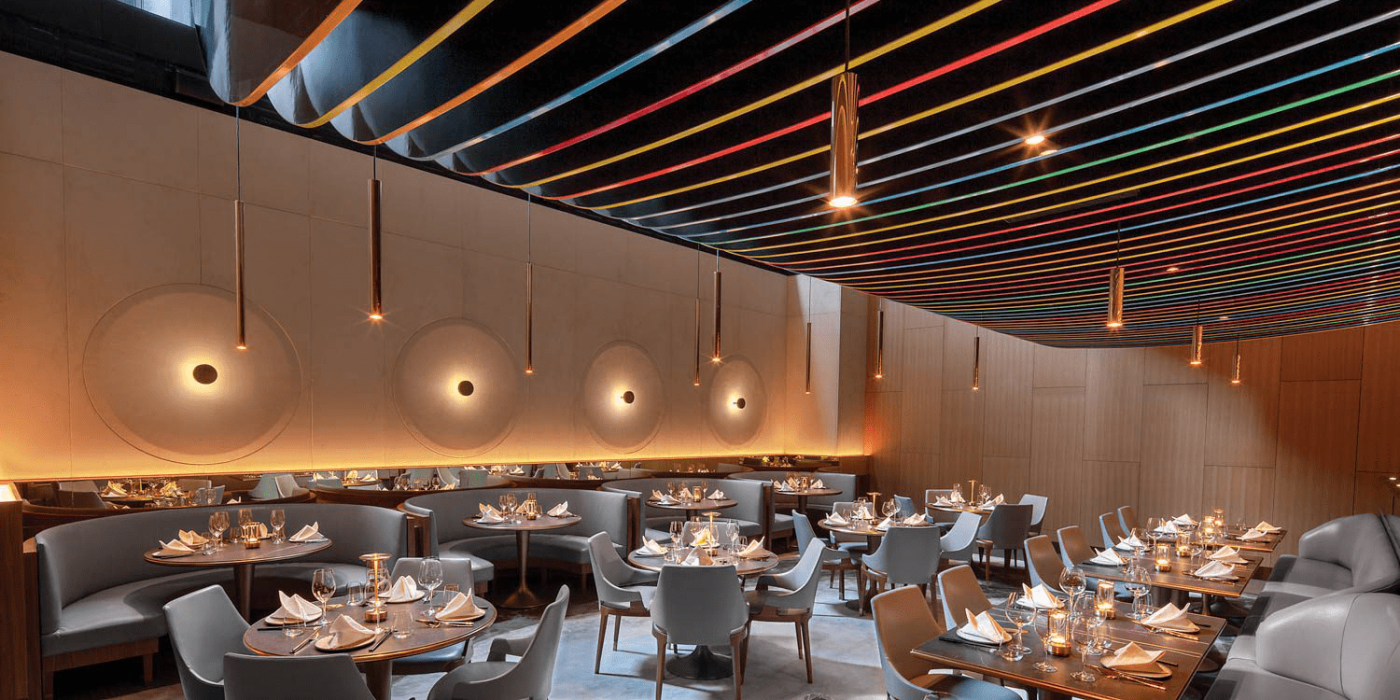

A restaurant is more than a place to satisfy hunger—it is a space where flavors meet culture, service meets hospitality, and ambiance meets emotion. In today’s world, restaurants have evolved into curated experiences, where every detail, from the menu design to the lighting, aims to create lasting memories. For many, dining out is as much about connection and atmosphere as it is about the food itself. This article explores the refined world of restaurants, shedding light on their essence, evolving trends, operational pillars, and the ways they continue to shape our social and cultural landscapes.
Understanding the Modern Restaurant
Traditionally, a restaurant was defined as an establishment where meals and beverages were prepared and served to customers for payment. Over time, the concept has expanded significantly. A restaurant today is an immersive environment—a stage where culinary artistry, customer service, and interior design work in harmony.
From a charming countryside eatery that serves farm-fresh dishes to an avant-garde fine dining venue offering multi-sensory tasting menus, the modern restaurant is an embodiment of brand identity and philosophy. In a competitive industry, the truly exceptional restaurants focus not only on food but on the orchestration of an entire journey for the guest.
The Core Pillars of Restaurant Success
While every restaurant has its own personality, the foundations of success are built on three intertwined pillars:
Culinary Craft and Innovation
-
A Well-Balanced Menu: Successful menus tell a story and often reflect the chef’s vision or the cultural heritage of the cuisine. Seasonal updates keep offerings fresh and relevant.
-
Ingredient Integrity: The quality of ingredients is non-negotiable. Many of today’s top restaurants source locally, embrace sustainability, and focus on freshness.
-
Consistency in Execution: Guests return when they can trust the flavors, presentation, and portion sizes to be top-notch every time.
Flawless Hospitality
-
Authentic Service: The best service teams balance professionalism with warmth, making guests feel valued without being intrusive.
-
Anticipating Needs: Exceptional hospitality means predicting what a guest may require—be it extra cutlery, dietary consideration, or a wine suggestion—before they have to ask.
-
Team Synergy: Front-of-house and back-of-house staff must operate in perfect coordination to ensure seamless service and timing.
A Captivating Ambiance
-
Design and Décor: Elements such as lighting, furniture, music, and even the scent in the air contribute to the sensory experience.
-
Layout and Comfort: Seating arrangements should foster both privacy and atmosphere, catering to different occasions—from intimate dinners to group celebrations.
-
Brand Identity: Every detail, from the typeface on the menu to the style of uniforms, should align with the restaurant’s theme and vision.
Types of Restaurants and Their Distinct Appeal
The restaurant industry embraces a diversity of formats, each catering to different moods, contexts, and customer expectations.
Fine Dining
Elegant interiors, inventive menus, and exceptional service make fine dining establishments the epitome of culinary luxury. Patrons expect sophistication at every turn—whether in multi-course tasting menus or expertly curated wine pairings.
Casual Dining
Combining comfort with quality, casual dining restaurants attract a broad demographic. The atmosphere is relaxed, and the menus are varied, appealing to families, young professionals, and groups of friends alike.
Quick Service
Quick service restaurants (QSRs) prioritize efficiency without compromising too much on taste, ideal for busy customers seeking fast and affordable meals.
Specialty and Ethnic Concepts
These restaurants immerse guests in specific cultural cuisines—whether authentic Italian trattorias, Japanese sushi bars, or Mexican taquerías—celebrating history, tradition, and authenticity.
Cafés and Bistros
Intimate and relaxed, cafés and bistros are havens for coffee lovers, light eaters, and those seeking a slower pace. They often double as social meeting spots and creative workspaces.
Trends Shaping Today’s Restaurant Landscape
As lifestyles and consumer expectations evolve, so do restaurants. The following trends are redefining the industry:
-
Sustainability Practices: From zero-waste kitchens to eco-friendly packaging, restaurants are actively reducing their ecological footprint.
-
Plant-Based Menus: Vegan and vegetarian options are no longer niche but central, as diners seek healthier and eco-conscious diets.
-
Experiential Dining: Chef’s tables, open kitchens, and immersive tasting journeys turn dining into interactive entertainment.
-
Digital Integration: Online reservations, QR code menus, and seamless payment options enhance convenience for guests.
-
Local and Seasonal Focus: Emphasis on locally sourced, seasonal produce supports regional farmers and adds freshness to menus.
Challenges in Running a Restaurant
Behind the polished service and plated dishes lies an industry known for its complexities.
-
Rising Costs: From ingredients to utilities, cost control is a critical task without compromising quality.
-
Staff Recruitment and Retention: Skilled hospitality professionals are in high demand, making staff training and retention vital.
-
Maintaining Consistency: As menus expand and customer bases grow, keeping standards consistent is challenging but essential.
-
Market Competition: Restaurants must find unique ways to differentiate themselves in increasingly saturated markets.
Creating Lasting Impressions
A remarkable restaurant doesn’t just serve food—it builds connections. Guests remember more than what they ate; they recall how they felt. From the first greeting to the final farewell, each interaction has the potential to build loyalty.
Some practical ways restaurants create lasting impressions include:
-
Personalization: Remembering guest preferences and customizing experiences.
-
Attention to Detail: From immaculate table settings to perfectly timed service, small touches signal care.
-
Storytelling Through Food: Dishes that reflect inspiration, heritage, or a chef’s personal journey resonate deeply with guests.
The Cultural Significance of Restaurants
Restaurants hold a mirror to society—they influence and are influenced by culture, economics, and lifestyle shifts. They are spaces where communities gather, business deals close over lunch, friendships deepen, and milestones are celebrated. In this way, restaurants help shape the social fabric, offering a venue for human connection in a fast-paced, often fragmented world.
Conclusion: Beyond the Meal
A restaurant is more than the sum of its parts. Its true essence lies in transforming a meal into an experience—where flavor, service, and ambiance work together to evoke emotion. In an era where dining has become both a daily convenience and a form of entertainment, the most successful restaurants understand that they are in the business of creating memories.
By embracing culinary excellence, authentic hospitality, and purposeful design, restaurants continue to play a vital role in our communities—bringing people together, celebrating diversity, and turning the act of eating into a cherished ritual