
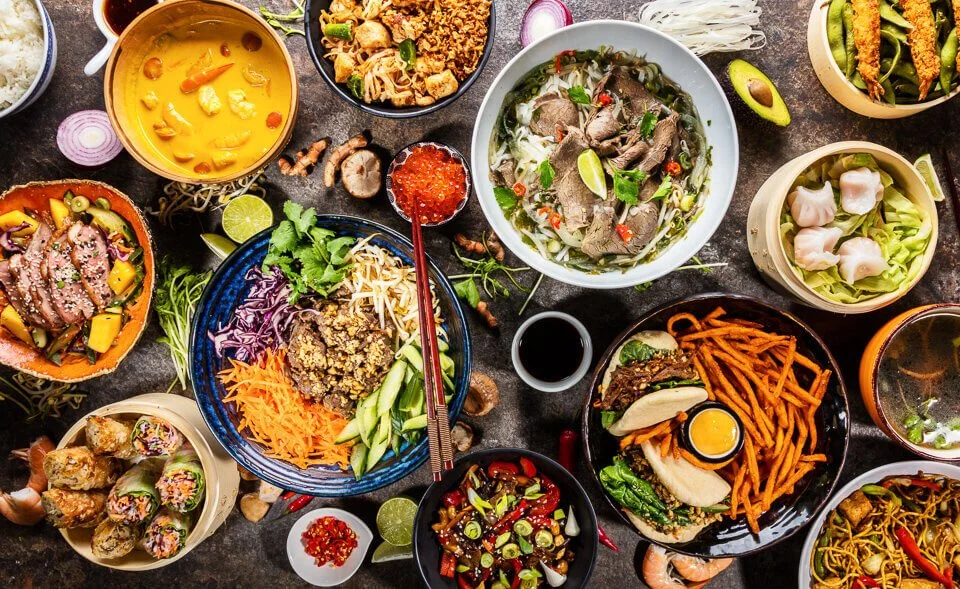

Food is far more than nourishment. It is a living expression of who we are, where we come from, and what we value. Across societies, food carries memory, meaning, and identity—shaping how communities define themselves and how individuals stay connected to their roots in a rapidly globalizing world.
Food as a Cultural Language
Every culture speaks through food. Ingredients, cooking methods, and eating rituals communicate shared history without the need for words.
-
Staple foods often reflect geography and climate
-
Cooking techniques are passed down across generations
-
Meal structures reveal social values like hospitality or hierarchy
A simple dish can tell a complex story about migration, trade, survival, and adaptation.
Traditions Passed Through the Kitchen
For many families, cultural identity is first learned at the dinner table. Recipes are not just instructions; they are oral histories preserved through practice.
-
Grandparents teaching grandchildren how to cook
-
Holiday meals tied to religious or seasonal events
-
Special dishes prepared for weddings, births, or mourning
These food traditions create continuity, allowing culture to endure even when languages fade or borders change.
Food and Collective Memory
Taste and smell are deeply connected to memory. One bite of a familiar dish can instantly transport someone back to childhood or to a homeland left behind.
This emotional connection makes food especially powerful for:
-
Diaspora communities maintaining cultural ties
-
Immigrants balancing adaptation and preservation
-
Second-generation individuals rediscovering heritage
Food becomes a bridge between past and present, anchoring identity in lived experience.
Cultural Identity in a Globalized World
Globalization has expanded access to diverse cuisines, but it has also challenged traditional foodways.
Positive influences include:
-
Cross-cultural exchange and culinary innovation
-
Greater appreciation for global traditions
-
Revival of regional foods through tourism and media
Challenges include:
-
Loss of traditional recipes
-
Commercialization of cultural dishes
-
Homogenization of tastes
Maintaining cultural identity through food now requires intentional preservation, not just habit.
Food, Power, and Representation
Food can also reflect issues of power and recognition. Whose cuisine is celebrated? Whose is marginalized or simplified?
-
Traditional foods may be labeled “ethnic” while others are considered “mainstream”
-
Cultural dishes are sometimes appropriated without context
-
Authentic voices may be excluded from culinary narratives
Protecting cultural identity means respecting the origins, meanings, and people behind the food.
Why Cultural Food Still Matters Today
In a fast-paced world, food remains one of the most accessible ways to express identity. Cooking a traditional meal can be an act of pride, resistance, or belonging.
Food helps people:
-
Stay grounded in their heritage
-
Share culture with others
-
Build community across differences
Ultimately, food is not just about what we eat—it is about who we are becoming while remembering who we have been.
Frequently Asked Questions (FAQs)
1. How does food help preserve cultural identity over time?
Food preserves identity by carrying traditions, values, and history through recipes and rituals passed between generations.
2. Can cultural identity change through food?
Yes, cultural identity evolves as cuisines adapt to new environments, ingredients, and influences while retaining core elements.
3. Why do immigrants often hold strongly to traditional foods?
Traditional foods provide comfort, familiarity, and a sense of belonging in unfamiliar surroundings.
4. How does food differ from other cultural markers like language or clothing?
Food engages the senses and emotions directly, making it a more immediate and memorable cultural connector.
5. Is fusion cuisine a threat to cultural identity?
Fusion cuisine is not inherently harmful, but problems arise when original cultures are erased or misrepresented.
6. How can younger generations stay connected to their food heritage?
Learning family recipes, understanding food origins, and participating in cultural cooking practices help maintain connection.
7. What role does food play in cultural diplomacy?
Food can foster understanding and respect between cultures by offering a shared, human experience across differences.